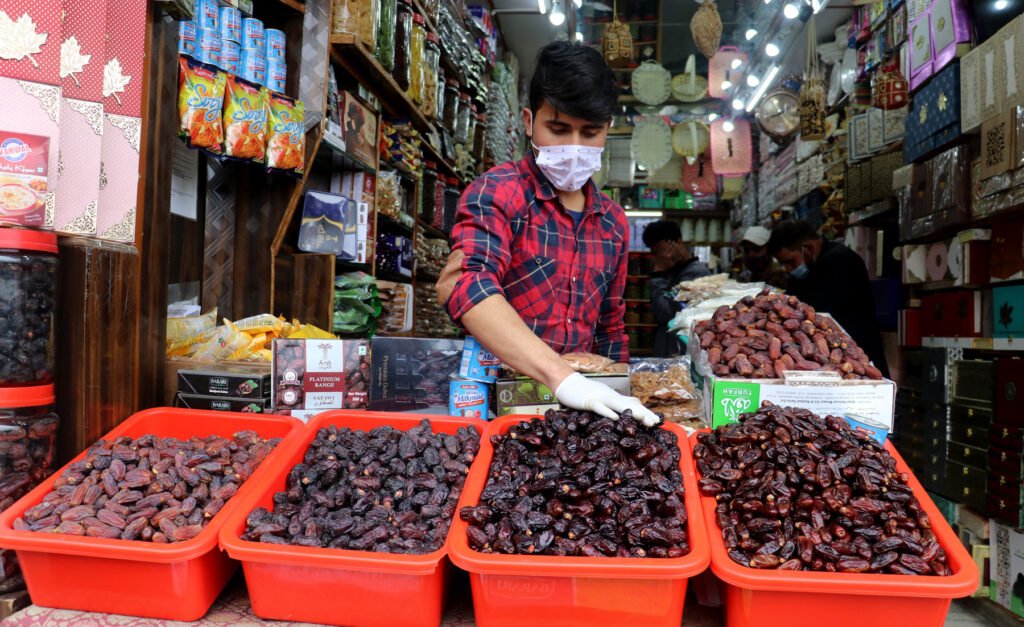
Taste buds long for traditional variety
Nasir Yousufi
SRINAGAR: While the Muslim community across the globe is religiously observing Ramazan, the month-long fasting paints the contours of valley in a spiritual shade.
As the faithful seek unflinching bond with the Creator, the rituals involved usher a changed lifestyle during the month.
In valley, a large number of traditional varieties of food find flavor in kitchens and are in high demand during the month.
Babr e Beoul: Basil seeds known as Babr e Beoul in local parlance is a buzz word during the month as its demand rises manifold during Ramazan. Easy to make and capable of being served in different tastes, the Babri Beoul or basil seeds are enjoyed by both the maker and taker as well. Capable of expanding their size exponentially, the basil seeds are soaked in water or sometimes in milk for few hours before the serving. Added with sugar, dry fruits and flavors, the Sharbat is a treat to have particularly after the long hours of fasting.
Collected from the sweet basil plants Ocimum Basilicum , the black coloured seeds take a centre stage in Kashmir kitchens during the Ramazan. Be it a guest or family member, the drink welcomes all during the month of Ramazan.
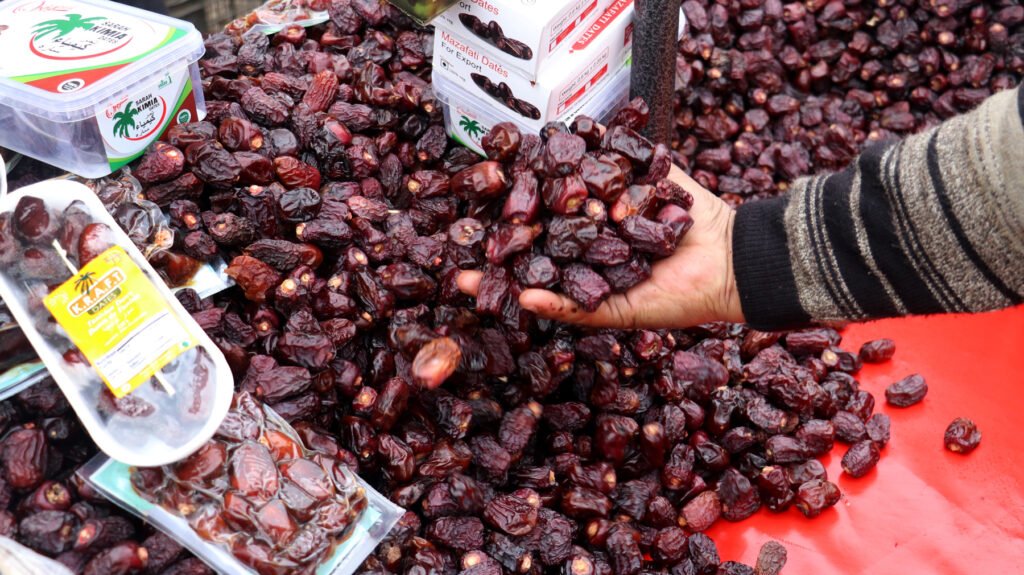
Gond Katira: Also known as Tragacanth gum finds a good demand during the fasting month in the valley. Soaked in cold water until it turns into jelly is either taken with normal water or mixed with milk and sugar to be taken as desert by many.
Believed to be beneficial for digestive system, cure of dehydration and heart strokes, the herbal crystals made from the sap of the gum plant are extensively used by people during Ramazan.
Aanchar: Come Ramazan and the markets of the valley are flooded with a variety of pickles. From vegetable mixtures to exclusively Nader or lotus stem, Raddish , Haakh or even the Kebab and chicken anchar, the oily food stuffed with spices and edible acid triggers the watering in the mouth of any onlooker. Aanchar is available both in processed form packed in bottles as well as being sold traditionally from open vessels in the market.
“I sell the Kashmiri pickles throughout the year. But the demand in this month is very high. We do advance preparations for making the sufficient quantity of Aanchar for the month,” says Arif Ahmad, a pickle seller from Batamalo while referring to the consumption of spicy and sour stuff during Ramazan.
“On an average I used to sell around 10 kg per day, but the number shoots to around 50 kg during this month.”
While the believers are supposed to change their eating timings during the period, it is believed that having meals on non routine timings leads to the consumption of spicy foods. “With normal curries it is not easy to consume a good amount of food especially rice at Sehri, so the chutney type foods like pickle helps in the collection of extra calories,” opines Nisar Ahmad, a local resident from Dalgate.
Shaista Akhtar, a school teacher from Mehjoor Nagar says that she can not think of Sehri meals without the pickle. “During Ramazan, I particularly ensure that there are atleast three to four varieties of Aanchar in the kitchen,” Shaista adds.
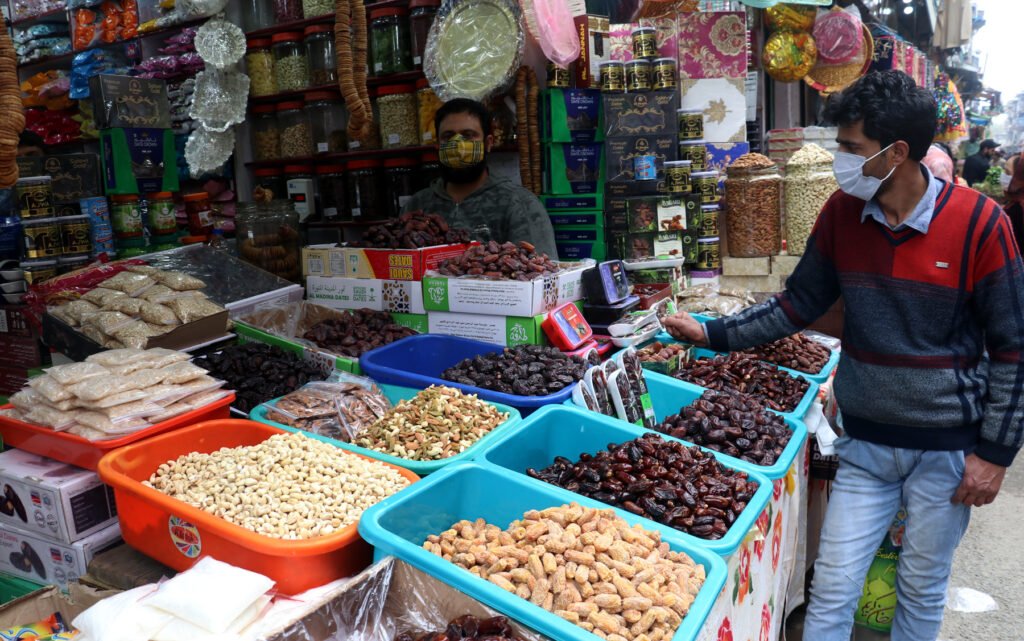
Phirni: Apart from curd, if the consumption of any diary product increases, it is a local dessert, the sweet Phirni. Made from the basic ingredients like rice pudding, milk and sugar, the creamy dessert is added with a variety of dry fruits like coconut, almonds, cashew nuts and raisins. Served both hot as well as cold, the dessert finds flavor in almost all Kashmiri kitchen during the sacred month of Ramazan.
Considered as a light food, the dessert is mostly served at Iftaar, when the faithful break the daylong fast. Consumed widely during the period, Phirni is a preferred commodity distributed among the faithful at mosques and other religious centers.
“It is a must food for our family in the Iftaari. My two teenage children always demand the same after breaking the day long fast,” says Mehjabeen Ayoub , a local resident from Ganderbal district in central Kashmir while adding that the sweet dessert is a favorite food of children and kids during the month.
Kander Tchout: An oven made bread in local parlance is much sought after commodity during Ramazan. Though the people of the valley are accustomed to the bread consuming it through out the year, the taste and demand for Kander Xchout during Ramazan is altogether different. Laden with loads of ghee, milk cream and dough, the demand for traditional bread increases manifold during the month.
“Normally, we are two people operating this shop. But during Ramazan, I have to employ two more men to cope up with the demand”, says Imran Sofi from Qamarwari area of Srinagar, while acknowledging that there is a good demand for the traditional bread during the month.
Different varieties of traditional breads displayed on local bakeries are a common sight in the valley especially during the sacred month.
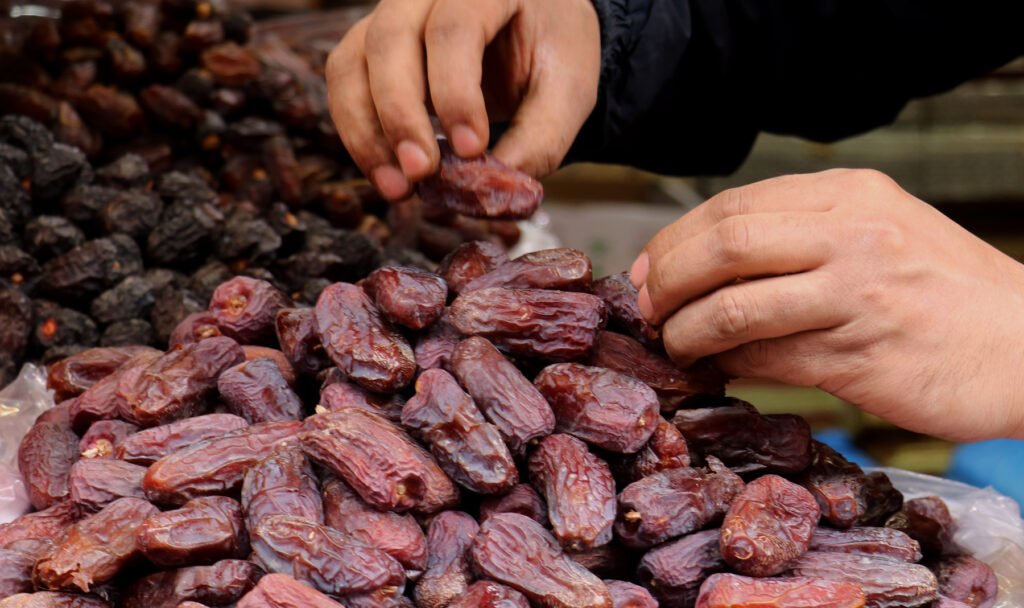
Khajoor: Dates form a part of culture in Islamic world. Their consumption during the month is all times high in the valley, as people prefer to break their day long fast with this cherished food of the Prophet Muhammad(PBUH).
“As our beloved Prophet liked to break his fast with dates, it becomes a preferred choice of the faithful to follow the same,” says Haji Ghulam Mohammad from Pattan area in north Kashmir, while referring to Sunnah of breaking the fast with dates.
“The product is in good demand during these days. We get additional consignments of this dry fruit in advance for this month from whole sale dealers,” says Mushtaq Ahmad from famous Nowhatta market in Shehr e Khaas area of Srinagar while displaying a large number of date varieties on a push cart kiosk in the Holy month.