


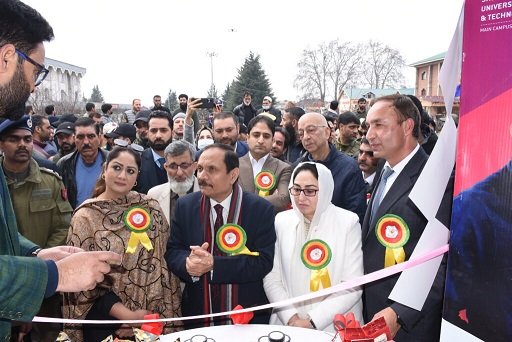
SRINAGAR: Keeping with its tradition of organizing annual Kisan Mela, the Sher-e-Kashmir University of Agriculture Science and Technology or SKUAST- Shalimar Kashmir organized a mega two-day annual Kisan mela on the weekend in the first week of March drawing thousands of people, agriculture enthusiasts, agriprenuers and agriculture experts together from nook and corner of the UT.
Amidst an overcast sky, an elderly man walks brisk to reach a seed stall among hundreds of kiosks arranged in a pattern on the foothills of Zabarwan Hills on the outskirts of Srinagar. After searching through the scores of stalls, his search finally ends at a seed stall where he happily gets his share of Bean seeds. Mohammad Ismail Dar, a progressive farmer from Zewan Srinagar has come to visit Annual Kisan Mela at SKUAST Shalimar here.

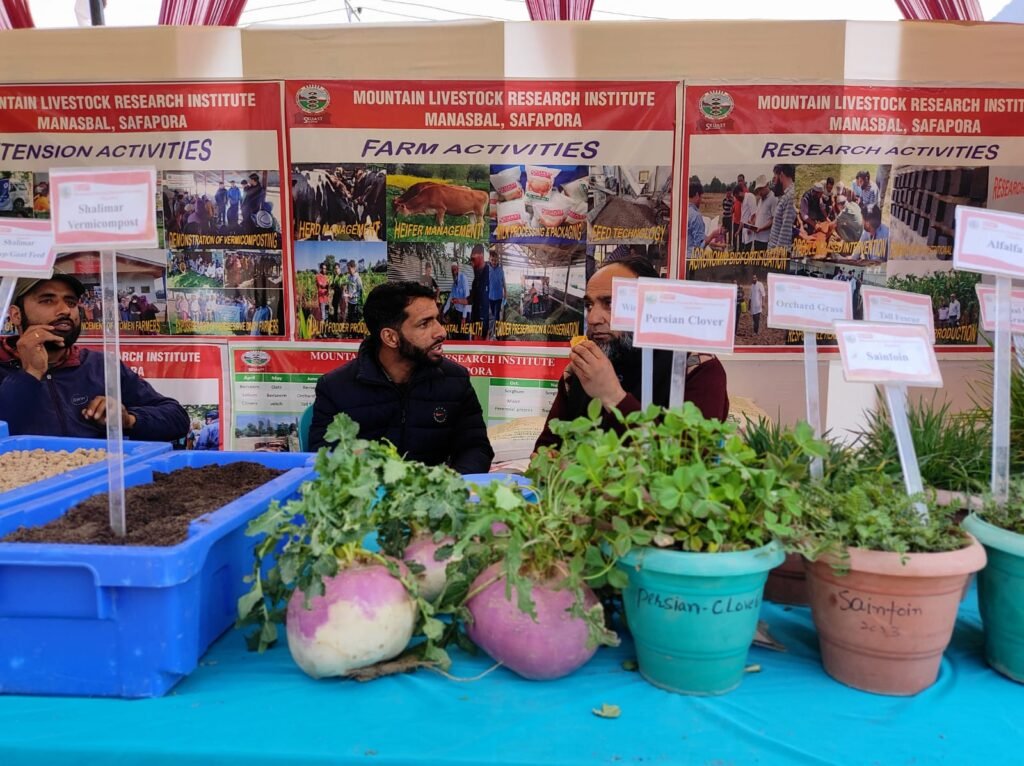
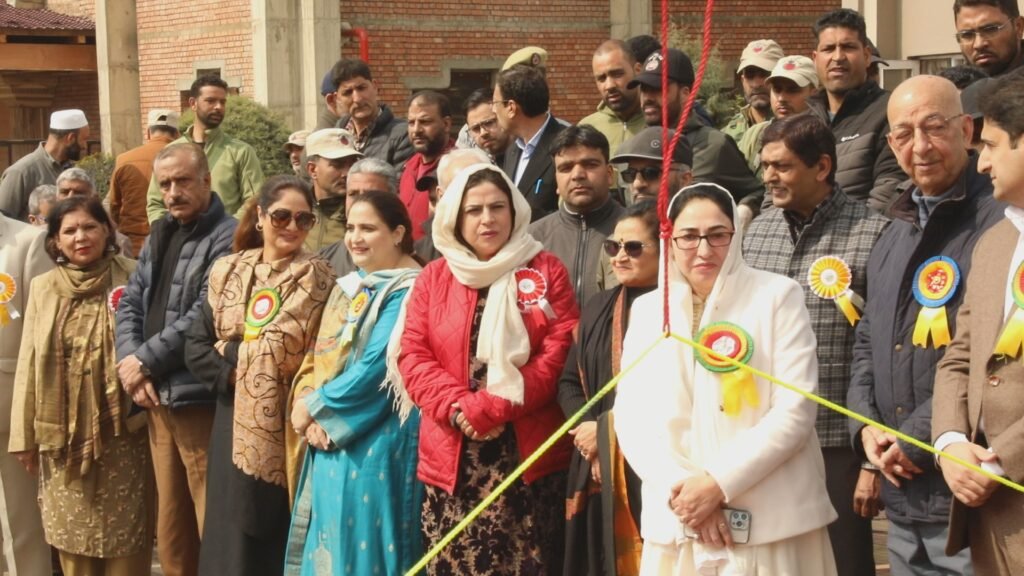
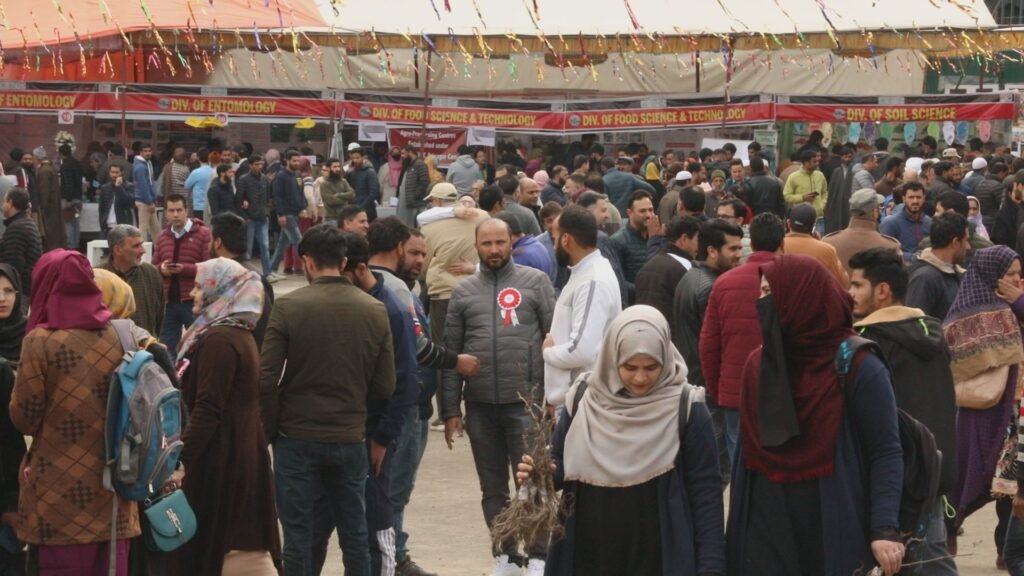
On Sunday, March 4, the picturesque campus presented a festive look, as thousands of people visited the famed mela bedecked with hundreds of stalls displaying and selling new varieties of plants, seeds and even the fauna.
Every year, Sher-e-Kashmir University of Agriculture Science and Technology Kashmir holds Annual Kisan Mela at its main campus Shalimar. Mostly organized in the first half of March, this year the event was held on 4th and 5th March.
Amidst the visible respite from Pandemic, the mela saw a heavy footfall of people, as hundreds of farmers, nature enthusiasts and even families along with children could be seen thronging the mela.

“Actually I had come here to get Kiwi saplings only. But after looking at the kind of new and hybrid varieties of different plants, I have now purchased almost six types of saplings ranging from flowers to fruits,” says an enthusiastic housewife Shahida Akhtar from north Kashmir’s Pattan area who has come here along with her family. “Though these are available at many places in the valley now, I think here I can get good and trusted varieties! After coming here I also came to know that there are many new varieties available these days which we could grow in our kitchen gardens,” adds Shahida while carrying a pack of flower saplings in a bag.
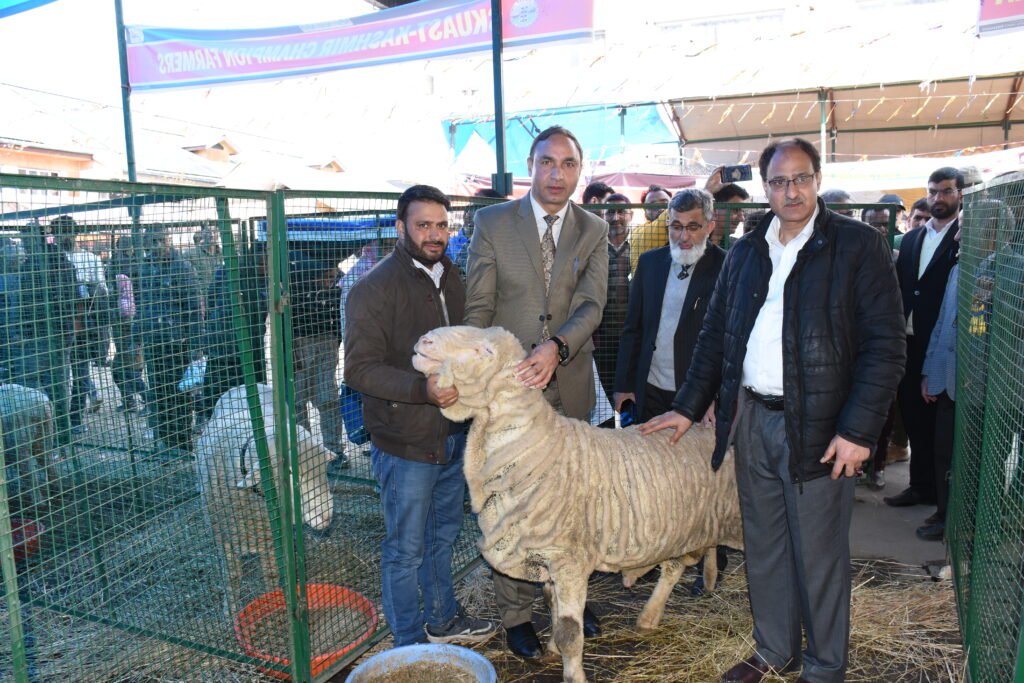
Hundreds of progressive farmers, agricultural entrepreneurs, local and regional agricultural zones had setup stalls in the premises of the campus displaying their agricultural produce. From hybrid variety of flowers, apple, plum, peach, cherry, walnut, colourful corn, organic mushroom, honey, diary products, fowls and Australian sheep to high yield cows, the stalls displayed a variety.
“These type of fairs give us glimpse into agricultural activities of the valley. They reflect our cultural and agricultural diversity,” says one of the officials from SKUAST coordinating the annual mela in the campus.
“These stalls displaying the products derived from diverse flora and fauna of valley are a window to our primary activities. These moments enrich our experience. People should come and visit such fairs as the act encourages the farmers as well as the researchers. Moreover, such gatherings help in updating the knowledge regarding the modern trends in agriculture,” the official opined.
“A stall setup under the banner of Krishi Vigyan Kendra, Ganderbal was among the focus of attraction. Apart from a range of organic products at display, the stall attracted droves of people for rootstocks of a variety of fruit plants. We have sold a good number of rootstock on the first day. We hope, by tomorrow we will finish the remaining stock,” says the In-charge of the stall.

While high yield variety seeds and saplings were the centre of attraction, display of modern technology used in agriculture these days at many stalls also added color to the fair. From newly introduced walnut dehuller, paddy thresher, bike tractor to integrated farming, experts demonstrated their use. Speaking to a group of people, Dr Waseem from SKUAST elaborated upon the ambience and applications of integrated farming system.
In a live demonstration of system, the expert showed how a farmer can use his orchard for integrated farming mixing backyard poultry, dairy, agriculture crops and vermicomposting together besides growing fruits. Integrated farming is a latest trend that envisages both sustainability as well as more profitability. “By switching to integrated farming while the farmers can yield more from small land holdings, the vermicomposting and mixed agrarian activities ensure the conservation of the quality of soil.”
Apart from the stalls representing different agricultural zones of the valley, some farmers from neighbouring union territory of Ladakh also added to the rich culture of the fair. Tsering Dolma, a champion farmer from the 14000 ft high altitude Nyoma area of Leh had put a variety of local organic products on display. “All these products are purely organic in nature. We do not use any sort of chemical fertilizers, as all our products are grown with the help of vermicompost,” says Tsering while displaying a handful of barley grains to customers as people keep thronging the venue.