Categories
KASHMIR

Ramazan brings Bahaar-e-Quran to Kashmir

In this holy month of Ramazan, Zikr-o-Azkar and Quran Khawani picks up for a soulful delight

Nasir Yousufi

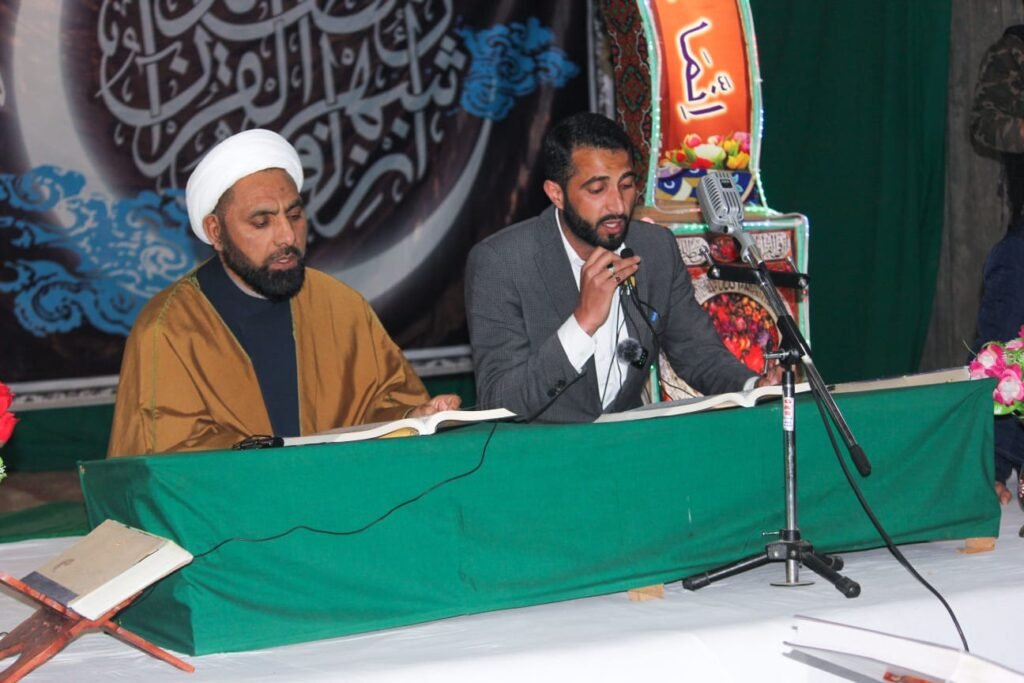
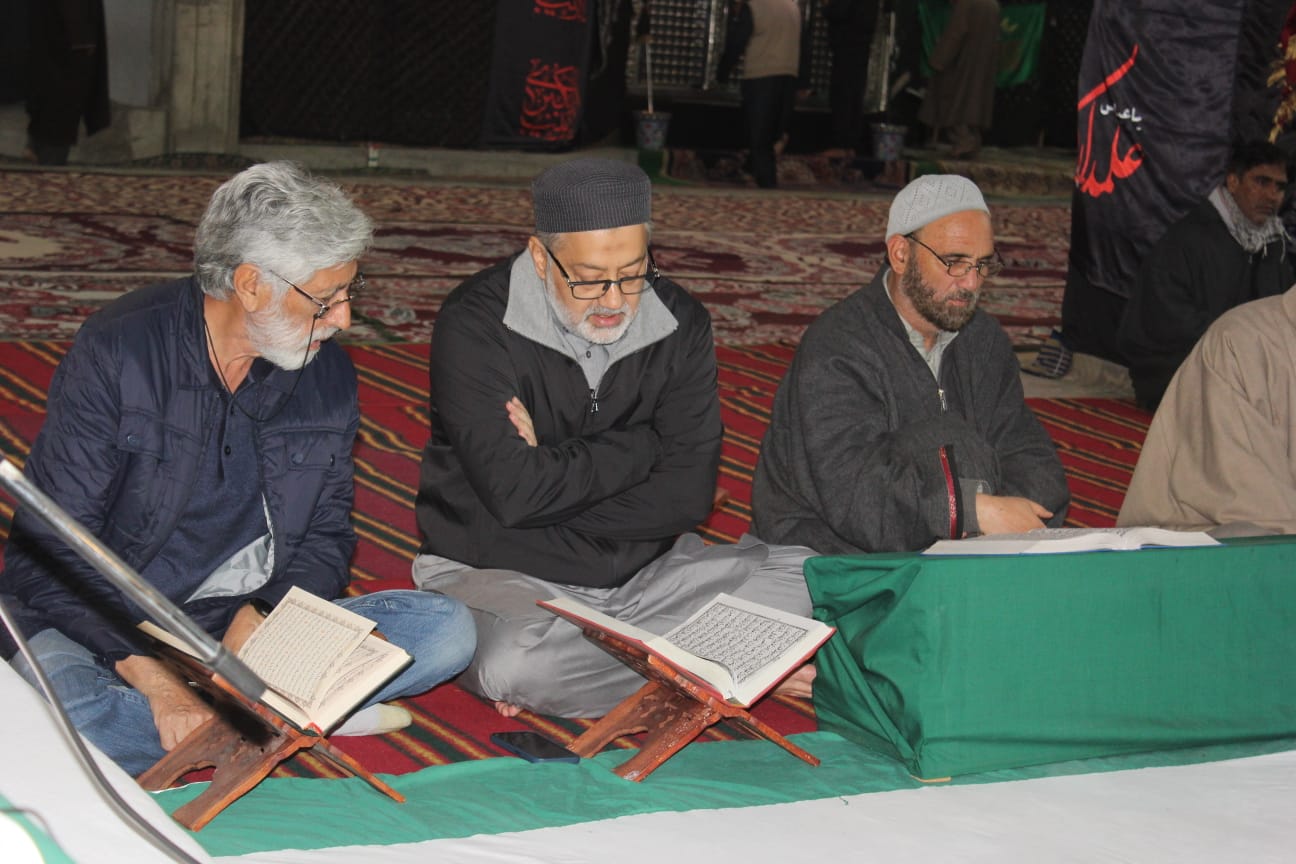
SRINAGAR: While the holy month of Ramazan is being observed with utmost fervor throughout the globe, the faithful in the valley can be seen engaged in a variety of acts aimed at attaining spiritual merriment. In addition to rituals like Sehri and Iftaar, the believers participate in soulful functions of Quranic recitations.

In this holy month of Ramazan, Zikr-o-Azkar and Quran Khawani picks up for a soulful delight.

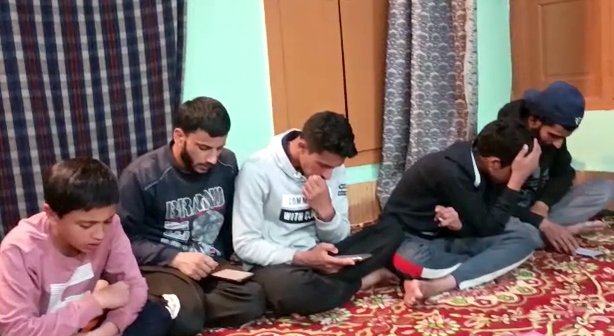
On an overcast afternoon, 9-year-old Zainab from central Kashmir’s Akhoon Mohlla in  Dal Lake leaves the house in a jiffy. Holding a large sized  Quran wrapped in a piece of cloth or Ghliaf close to her chest, the girl straightaway walks into Darsgah to join the scores of people engaged in a community  recitation of  the Holy book.

Every afternoon in Akhoon Mohalla locality in Dal, the atmosphere reverberates with the soul soothing recitations from the historic Imambara. Held under the banner of local Makhtab, the community recitation of the holy book is headed by local Qari.

The program is attended by hundreds of believers throughout the month.

Scenes portraying children and young seated in rows reciting Quran amidst Islamic banners and hoardings are a treat for souls.

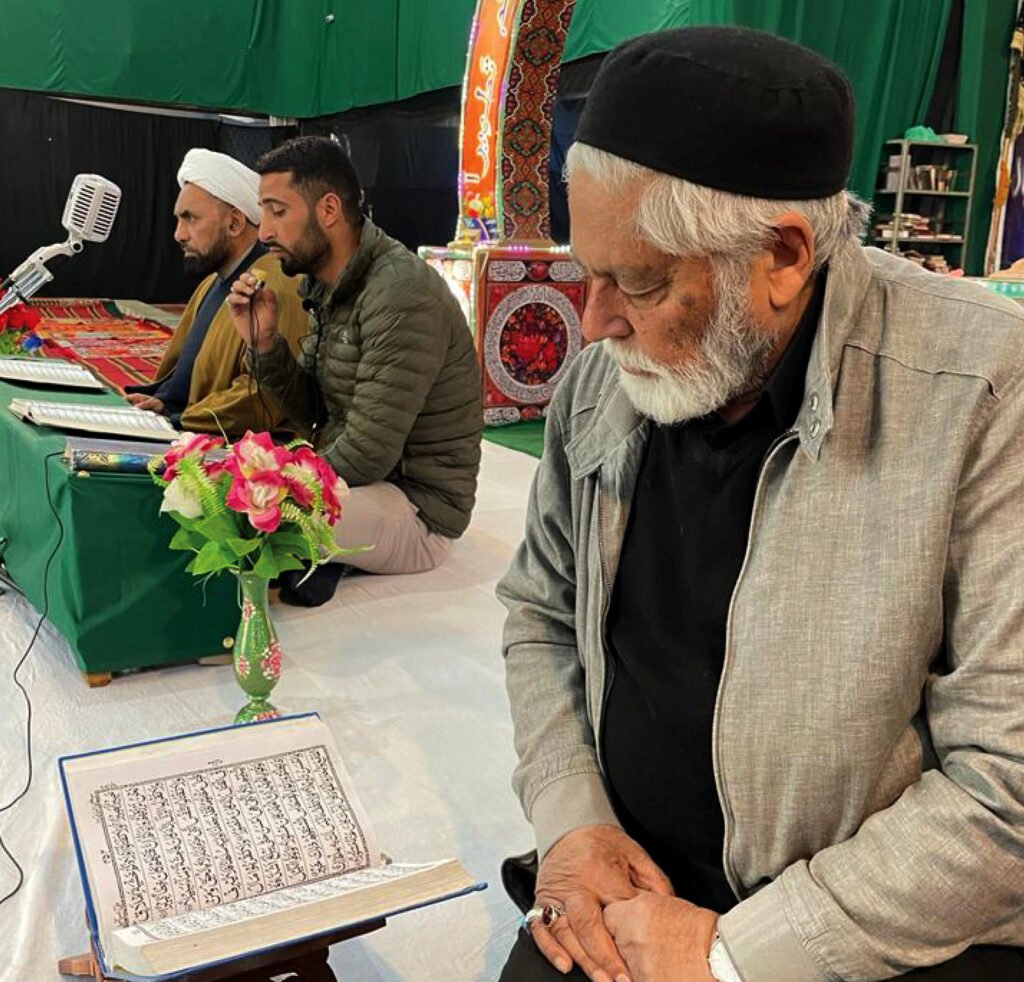
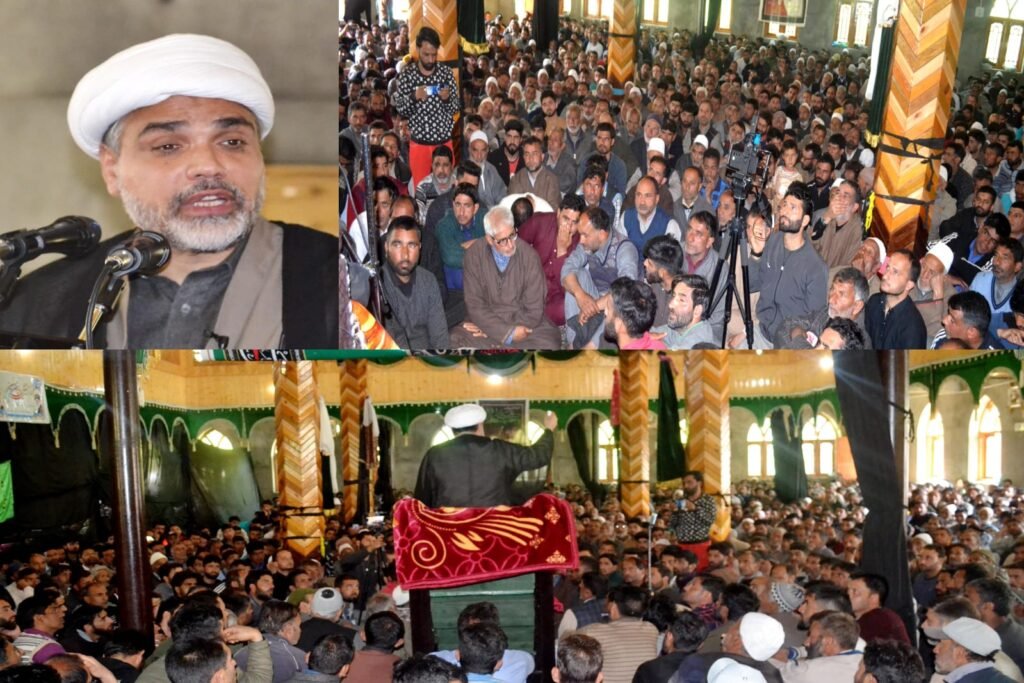
At Zadibal Imambara, the month long community recitation of holy book held under the banner of Jammu and Kashmir Shia Association witnesses the participation of hundreds of people both men and women from all walks of life. In evening, the central Imambara wears a  festive look with devotees thronging the religious space in droves.  

Similar programme is held regularly at Nabdipora area where eminent Qari’s of the valley recite the holy book. The afternoon gathering of reciters is headed by eminent religious scholar of the valley, Moulana Ghulam Rasool Noori.

The Quran says that it was during Ramazan that its revelation took place: “The month of Ramazan is that in which was revealed the Quran, a guidance for the people and clear proofs of guidance and criterion.” 2:185. Quoting the verse, Moulana says being the month of the holy book, Ramazan comes with a package of  the creators benevolence.

“Every good deed multiplies seventy two times during these sacred days, has been said in multiple Hadiths. As such, recitation of the holy Book and other Darood-o-Azkaar gains significance,” says Moulana Noori, while laying stress on the importance of the recitation, comprehension and teachings of Quran.

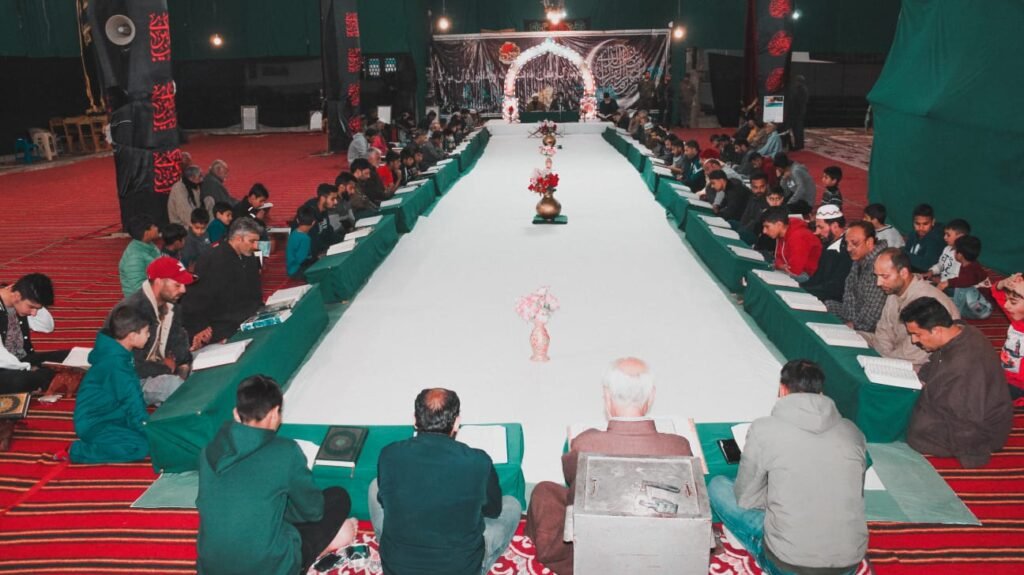
 Another importance of  the event is that it imparts an essential elementary level acquaintance  with the Arabic grammar, phonetics and the tarteel of the holy Quran among the audience and students in particular, Moulana adds while deliberating upon the objectives of Bahaar-e-Quran.

Teaching someone is considered as an “ongoing charity” — such a person gets rewarded continuously even after his death. Teachers and learned scholars are held in high regard in Islamic societies, adds Moulana.

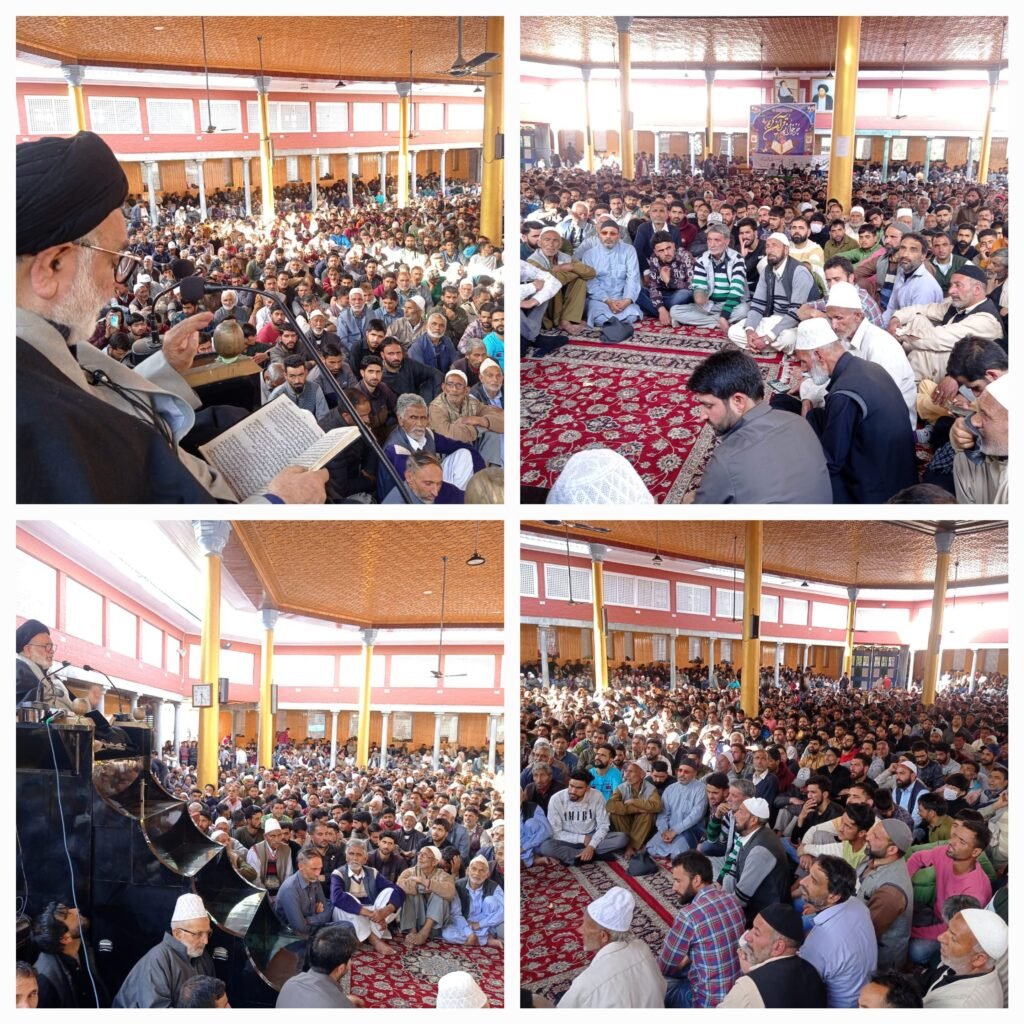
In a similar programme  held at central Imambara Budgam, Qari Mohammad Hussain along with Qari Muzamil mesmerise the listeners and participants with soulful voice while leading the recitation of holy verses. Organized by  Anjuman-e-Sharie Shiyan, hundreds of people participate in the month long programme.

“I love to participate in the programme, as I learn both art of recitation ’Qirat’ and Arabic here,” says Hashim Abbas, a standard 7th student from the vicinity.

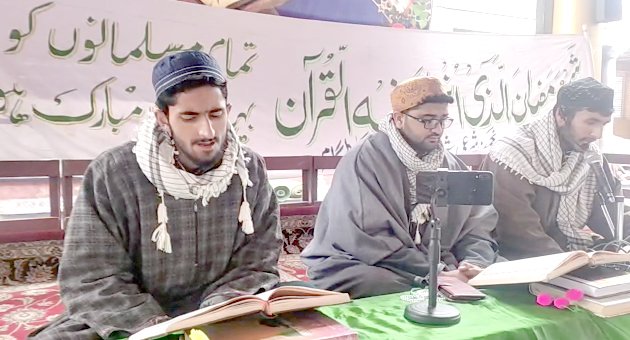
Only at a distance of few kilometers from  the main town Budgam, another large  Quran recitation congregation takes place at Shahrul Fazalullah , Imambara Yousufabad, Bemina. Considered as the most spacious Imambara in the valley, the religious space wears a festive look right after the mid day prayers. Young, adults and children, all gather to witness the soul enthralling Quranic Mehfil headed by Aga Syed Muhammad Hadi Al-Musavi Al-Safvi, President Anjuman-e-Sharie.

“I am a regular participant in the programme for last 14 days, since the onset of the holy month,” says Haji Ali Mohammad Wani, a sexagenarian resident from the vicinity. “Though unfortunately I am not able to read the holy book myself, listening to the soul soothing voices of these Qari’s are a means of greater solace,” adds Wani.

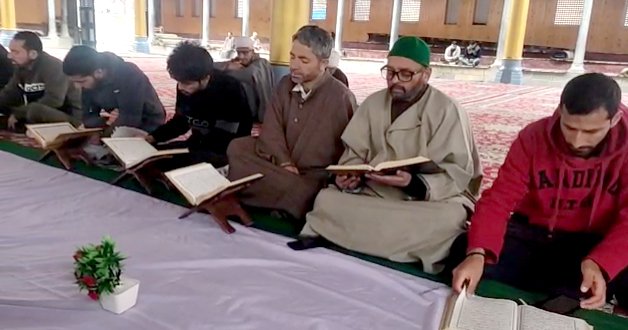
For a young college going Qurat from the Bemina vicinity, these programmes are very useful to all, and in particular to student community. “I spare my two hours regularly for the purpose all these days, as it is very helpful to learn the Tajweed, Grammar of Quran,” Zehra opines.

Similar spiritual and soul soothing programmes are also being held at Jamia Masjid Chattergam,  Masjid Syed Muhammad Mosvi (RA) Khanqah-e-Sokhta Nawa Kadal, Imambara Hassanabad, Jamia Masjid Shalimar, Markaz-e-Jamia Pattan , Jamia Masjid Magam and other mosques and community centres throughout the length and breadth of the valley.

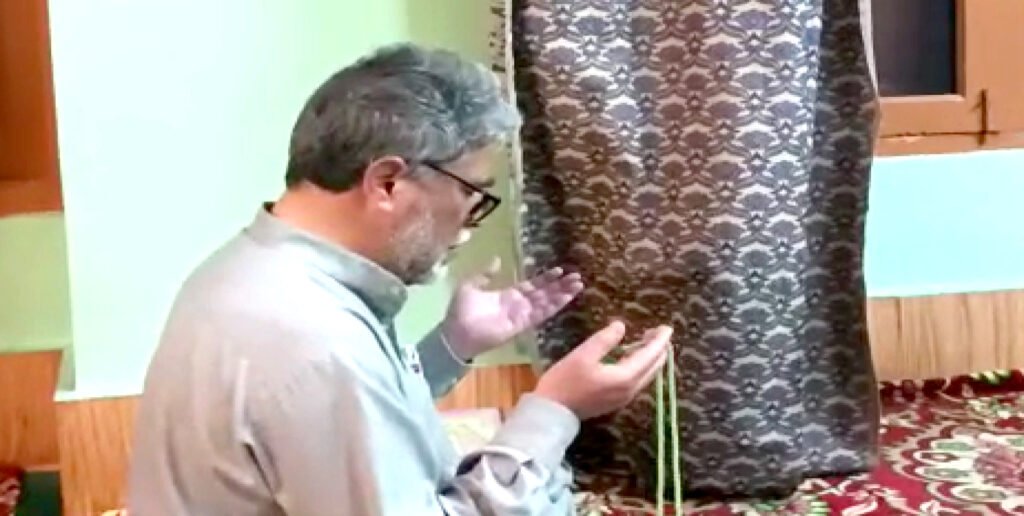
According  to Mohammad Hussain, a post graduate  teacher in Urdu literature from Zoorigund village in Central Kashmir’s Budgam, Quran is a book that encompasses the complete system of life.

Observers say there are many verses in the Quran that can be used as foundations for different branches of knowledge such as astronomy, economics, politics, law, ethics, philosophy, biology, environmental science, geography, zoology, sociology, history and medicine. This is in addition to the guidelines and commands on spirituality and worship. Any branch of knowledge, as long as it benefits mankind, is considered holy.

The Quran asks man to ponder and research the wonders of nature.

“Do they not observe the camels: How they were created? And the sky: How it was raised high? And the mountains: How they were fixed? And the earth: How it spread out?” 88: 17 to 20.

Mohammad Hussain says that the holy book is a complete guide for successful life of a man here and in the hereafter. “Programmes like Mehfil-e-Quran during Ramazan are heartening step to revisit the Islamic Philosophy and moral education. Such programmes should be promoted and encouraged for the larger benefit of the mankind.”
Categories
KASHMIR

DC Srinagar visits Gurudwara Chatti Padshahi; Greets Sikh Sangat on the occasion of Vaisakhi

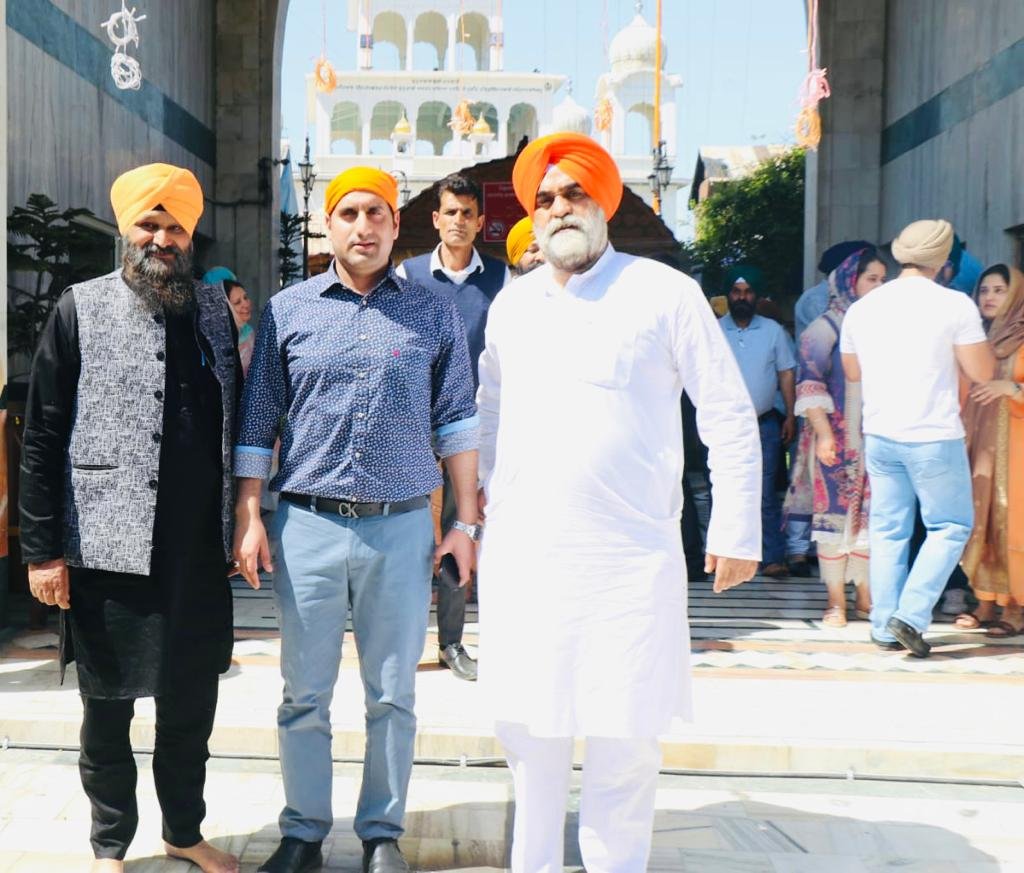
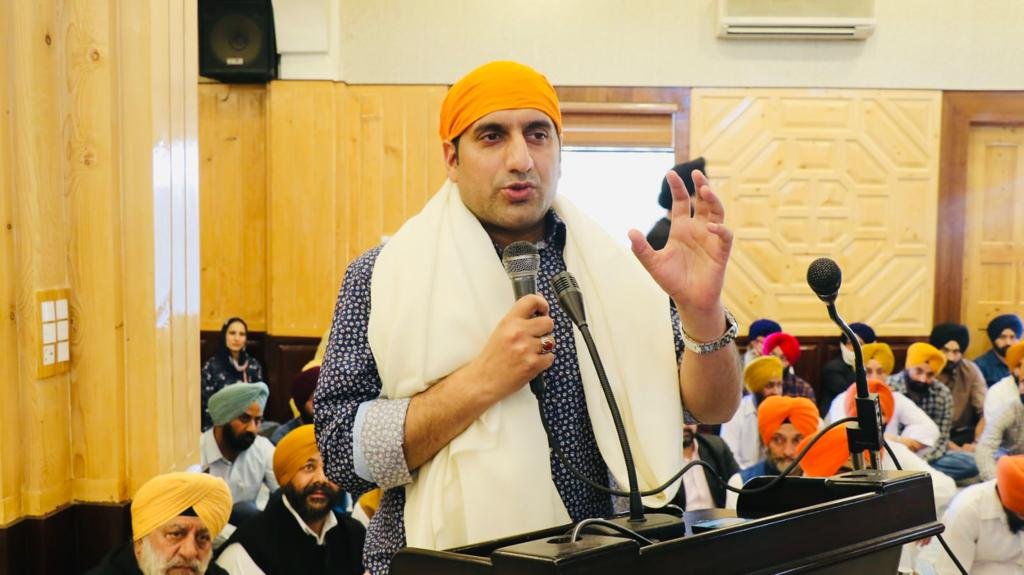
SRINAGAR, APRIL 15: The Deputy Commissioner Srinagar,  Mohammad Aijaz Asad today paid a visit to Gurudwara Chatti Padshahi in Rainawari area of the District to extended warm greetings to the Sikh fraternity on the occasion of Baisakhi marking of the new solar year and the harvest season. On the occasion, the Deputy Commissioner was accompanied by senior functionaries of Gurudwara Prabandhak Committee.

While extending warm greetings on the occasion, the DC expressed hope that this day would contribute towards strengthening brotherhood, unity, harmony and would be a harbinger of peace, progress and prosperity in J&K in general and in District Srinagar in particular. The Gurudwara authorities expressed satisfaction over the arrangements and conveyed their gratitude to the Deputy Commissioner in this regard.

Deputy Commissioner marked his presence during Gurbani session inside the Gurudwara. He also addressed the gathering of devotees and highlighted how Vaisakhi as a major Sikh festival marks the birth of the Khalsa order by Guru Gobind Singh, the tenth Guru of Sikhism, on 13 April 1699. He also mentioned that Panj Pyares exemplify Unity in  Diversity as they hailed from different parts of our country and represented a multicultural ethos embedded in the social fabric of our society.

During the visit, the DC also inspected various compartments of the Gurudwara including Langer and took stock of the facilities being extended to the devotees.

Categories
KASHMIR

Tributes paid to Imam Ali (AS) on his martyrdom anniversary

RAHI SHAMSHAD

SRINAGAR:  Glowing tributes were paid to Hazrat Imam Ali (AS) across Kashmir to mark the martyrdom anniversary of Hazrat Imam Ali (AS), who was martyred on the 21st of Ramadan-ul- Mubarak in the Islamic calendar.

Several processions and Majalis were organised across Kashmir on Wednesday as part of the Youm-e-Ali on the martyrdom anniversary of Hazrat Ali (AS).

The functions were organized by Jammu and Kashmir Shia Association, Jammu and Kashmir Ittehad-ul-Muslimeen, Anjuman-e-Shar-e-Shian, and other religious organizations.

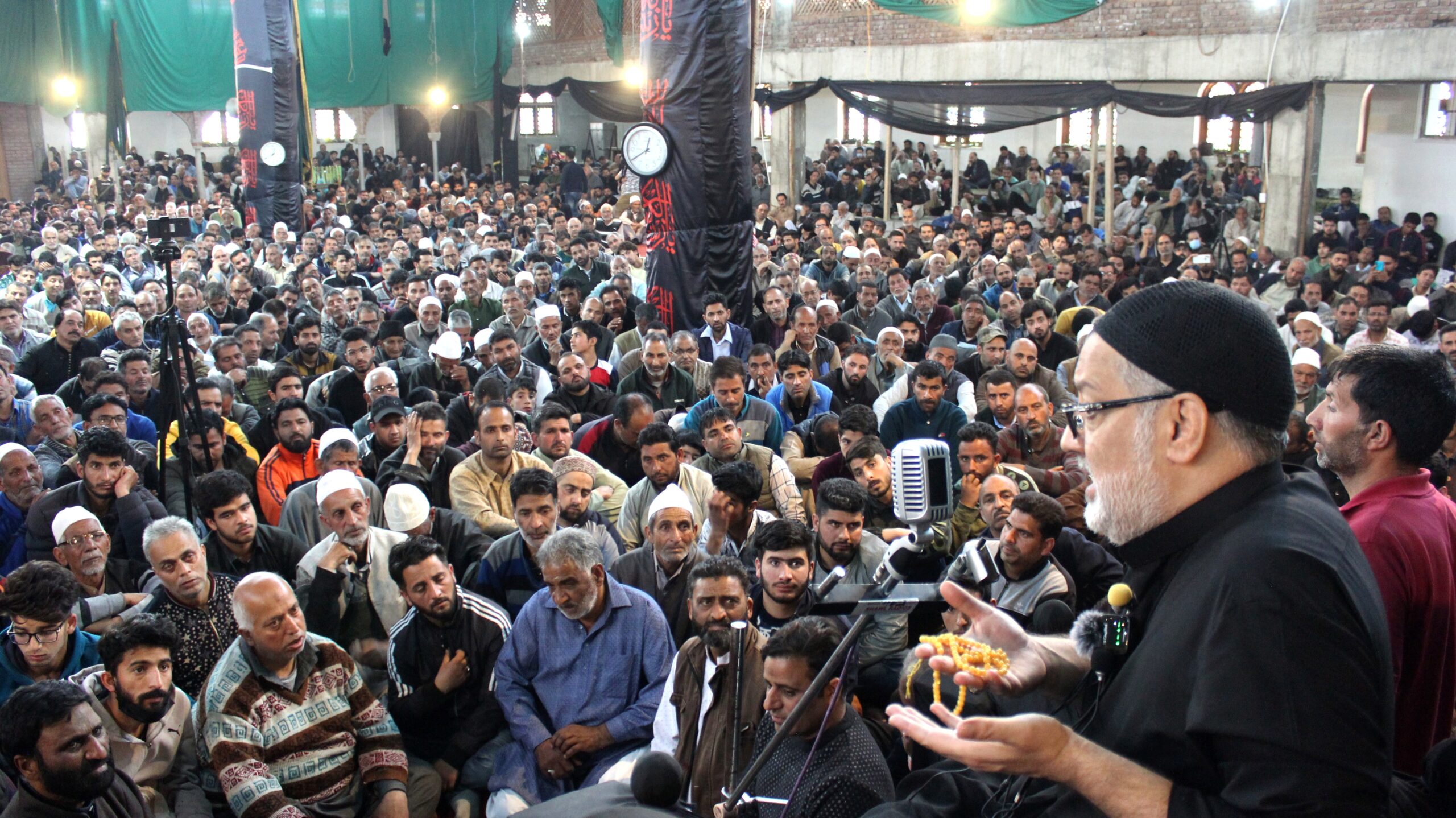
A day-long Majlis was organised by the J&K Shia Association at Imam Bargah Zadiabal. Thousand of devotees thronged the historic Imam Bargah, where they recited the Holy Quran. It was followed by Marsiya by the prominent Zakirs of the Association.

President of Jammu and Kashmir Shia Association, Molvi Imran Raza Ansari presided over the Majlis.

On the occasion, Molvi Imran Raza Ansari in his sermon at Historic Imambargah Zadibal said that Imam Ali (AS) was struck on the head with a poison-coated sword during the morning prayers in the Great Masjid of Kufa on the 19th Ramadan in 40 AH (the 27th of January AD 661) and got his martyrdom two days later. The night preceding Imam Ali’s (AS) martyrdom is considered to be one of the threefold Qadr (Destiny) Nights when the Holy Quran was revealed to Prophet Muhammad (PBUH) more than 14 centuries ago.

Molvi Imran Ansari  also threw light on the life and teachings of Hazrat Ali (AS) and his contribution to Islam.
Later, a procession was taken out from Imam Bargah Zadibal, led by Molvi Imran Raza Ansari, and EX-MLA Zadibal, and General Secretary AJKSA Abid Hussain Ansari, which passed through Gasiyar Chowk and culminated at the shrine of Grand Mulla Fazal Ali Ansari (RA) Gulshan Zehra, Baba Mazar here.

A day-long Majlis was also organized by Ittihad-ul-Muslimeen at Imam Bargah Mirgund. Prominent Zakirs including Aga Syed Hassan, Muhammad Shafi, Khawaja Maqsool Ali, Haji Ghulam Hassan, Syed Hassan Mosvi of Garend and others recited Marsiya on the occasion.

Addressing the devotees, Ittehad-ul-Muslimeen chief patron, Moulana Masroor Abass Ansari highlighted the martyrdom of Hazrat Ali (AS).

He also threw light on the life and teachings of Hazrat Ali (AS) and his contribution to Islam.

The Anjuman-e-Shar-e-Shian held a daylong Majlis at Imam Bargah Budgam and Imam Bargah Rainawari Hassan Abad, which started with the recitation of Holy Quran. Thousands of devotees attended the Majlis and paid glowing tributes to Hazrat Ali (AS).

 On the occasion, Anjuman chief patron, Aga Syed Hassan Mustaffa Alsafvi Almosvi shed light on the life of Hazrat Ali (AS). Later a procession was taken out.

Categories
KASHMIR

Kashmir Ramazan delicacies

Taste buds long for traditional variety

Nasir Yousufi

SRINAGAR: While the Muslim community across the globe is religiously observing Ramazan, the month-long fasting paints the contours of valley in a spiritual shade.

As the faithful seek unflinching bond with the Creator, the rituals involved usher a changed lifestyle during the month.

In valley, a large number of traditional varieties of food find flavor in kitchens and are in high demand during the month.

Babr e Beoul: Basil seeds known as Babr e Beoul in local parlance is a buzz word during the month as its demand rises manifold during Ramazan. Easy to make and capable of being served in different tastes, the Babri Beoul or basil seeds are enjoyed by both the maker and taker as well. Capable of expanding their size exponentially, the basil seeds are soaked in water or sometimes in milk for few hours before the serving. Added with sugar, dry fruits  and flavors, the Sharbat is a treat to have particularly after the long hours of fasting.

Collected from the sweet basil plants  Ocimum Basilicum , the black coloured seeds take a centre stage in Kashmir kitchens during the Ramazan. Be it a guest or family member, the drink welcomes all during the month of Ramazan.

Gond Katira: Also known as Tragacanth gum  finds a good demand during the fasting month in the valley. Soaked in cold water until it turns into jelly is either taken with normal water or mixed with milk and sugar to be taken as desert by many.

Believed to be beneficial for digestive system, cure of dehydration and heart strokes, the herbal crystals made from the sap of the gum plant are extensively used by people during Ramazan.

Aanchar: Come Ramazan and the markets of the valley are flooded with a variety of pickles. From vegetable mixtures to exclusively Nader or lotus stem, Raddish , Haakh or even the Kebab and chicken anchar, the oily food stuffed with spices and edible acid triggers the watering in the mouth of any onlooker. Aanchar is available both in processed form packed in bottles as well as being sold traditionally from open vessels in the market.

“I sell the Kashmiri pickles throughout the year. But the demand in this month is very high. We do advance preparations for making the sufficient quantity of Aanchar for the month,” says Arif Ahmad, a pickle seller from Batamalo while referring to the consumption of spicy and sour stuff during Ramazan.

“On an average I used to sell around 10 kg per day, but the number shoots to around 50 kg during this month.”

While the believers are supposed to change their eating timings during the period, it is believed that having meals on non routine timings leads to the consumption of spicy foods. “With normal curries it is not easy to consume a good amount of food especially rice at Sehri, so the chutney type foods like pickle helps in the collection of extra calories,” opines Nisar Ahmad, a local resident from Dalgate.

Shaista Akhtar, a school teacher from Mehjoor Nagar says that she can not think of Sehri meals without the pickle. “During Ramazan, I particularly ensure that there are atleast three to four varieties of Aanchar in the kitchen,” Shaista adds.

Phirni: Apart from curd, if the consumption of any diary product increases, it is a local dessert, the sweet Phirni. Made from the basic ingredients like rice pudding, milk and sugar, the creamy dessert is added with a variety of dry fruits like coconut, almonds, cashew nuts and raisins. Served both hot as well as cold, the dessert finds flavor in almost all Kashmiri kitchen during the sacred month of Ramazan.

Considered as a light food, the dessert is mostly served at Iftaar, when the faithful break the daylong fast. Consumed widely during the period, Phirni is a preferred commodity distributed among the faithful at mosques and other religious centers.

“It is a must food for our family in the Iftaari. My two teenage children always demand the same after breaking the day long fast,” says Mehjabeen Ayoub , a local resident from Ganderbal district in central Kashmir while adding that the sweet dessert is a favorite food of children and kids during the month.

Kander Tchout: An oven made bread in local parlance is much sought after commodity during Ramazan. Though the people of the valley are accustomed to the bread consuming it through out the year, the taste and demand for Kander Xchout during Ramazan is altogether different. Laden with loads of ghee, milk cream and dough, the demand for traditional bread increases manifold during the month.

“Normally, we are two people operating this shop. But during Ramazan, I have to employ two more men to cope up with the demand”, says Imran Sofi from Qamarwari area of Srinagar, while acknowledging that there is a good demand for the traditional bread during the month.

Different varieties of traditional breads displayed on local bakeries are a common sight in the valley especially during the sacred month.

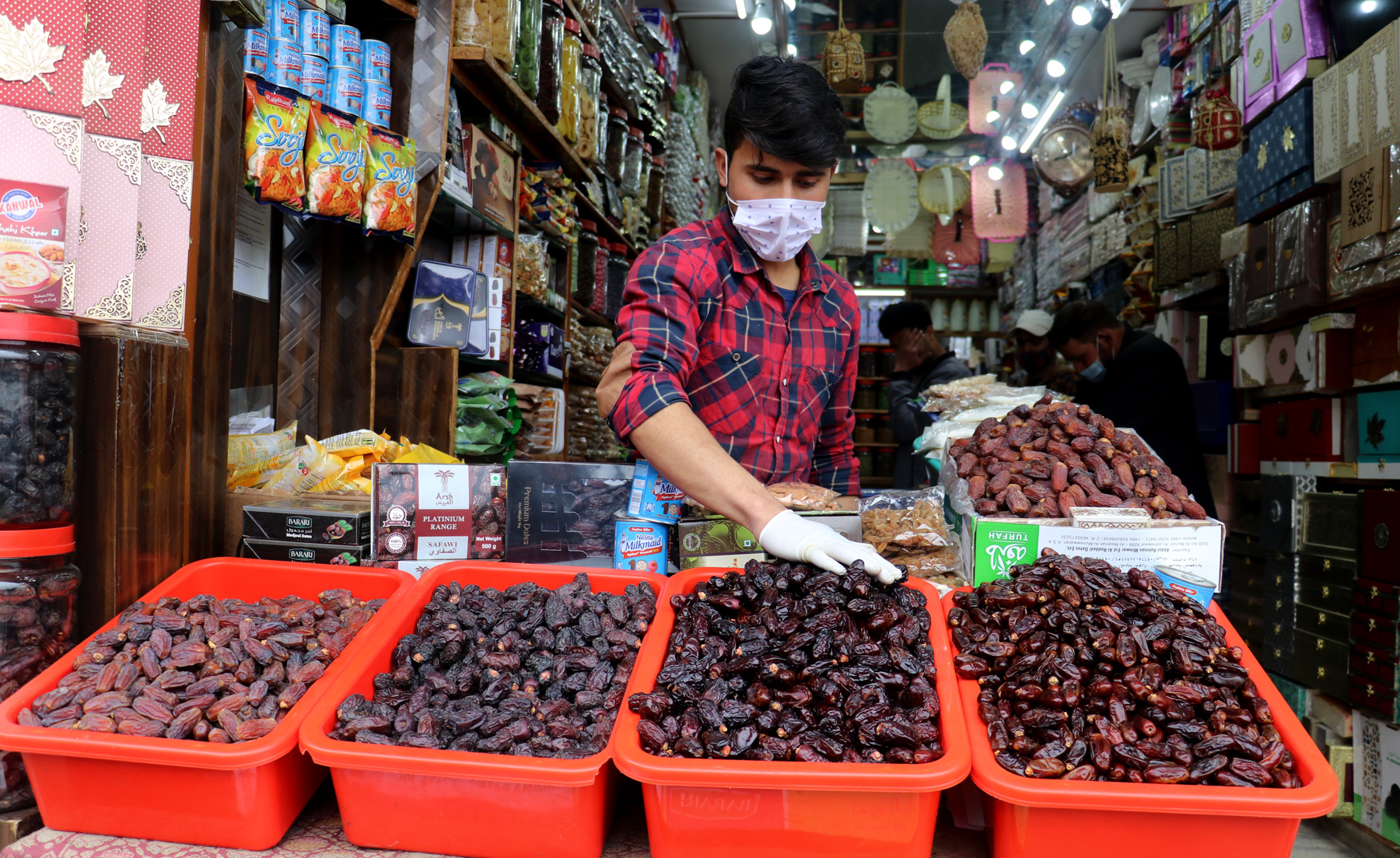
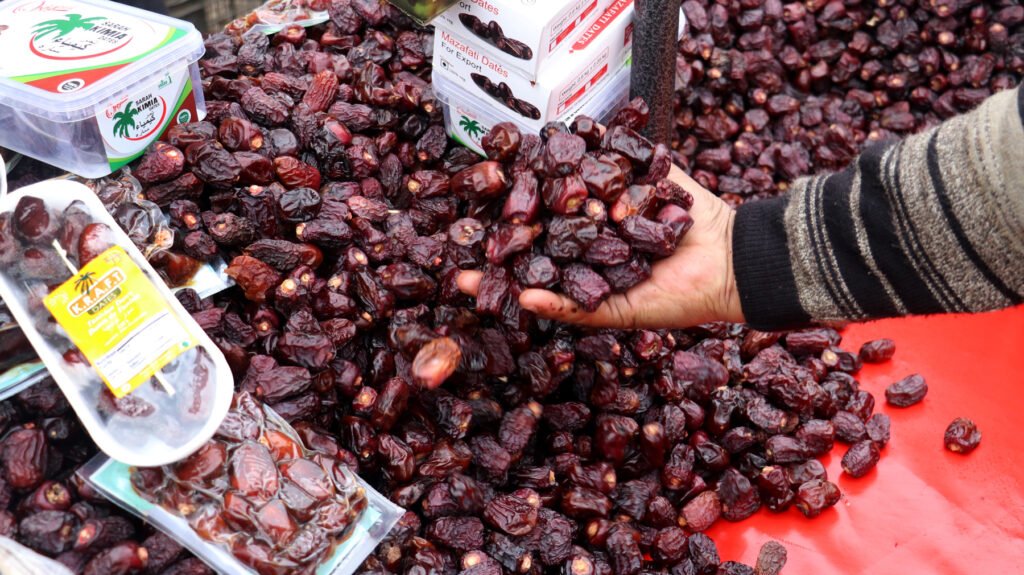
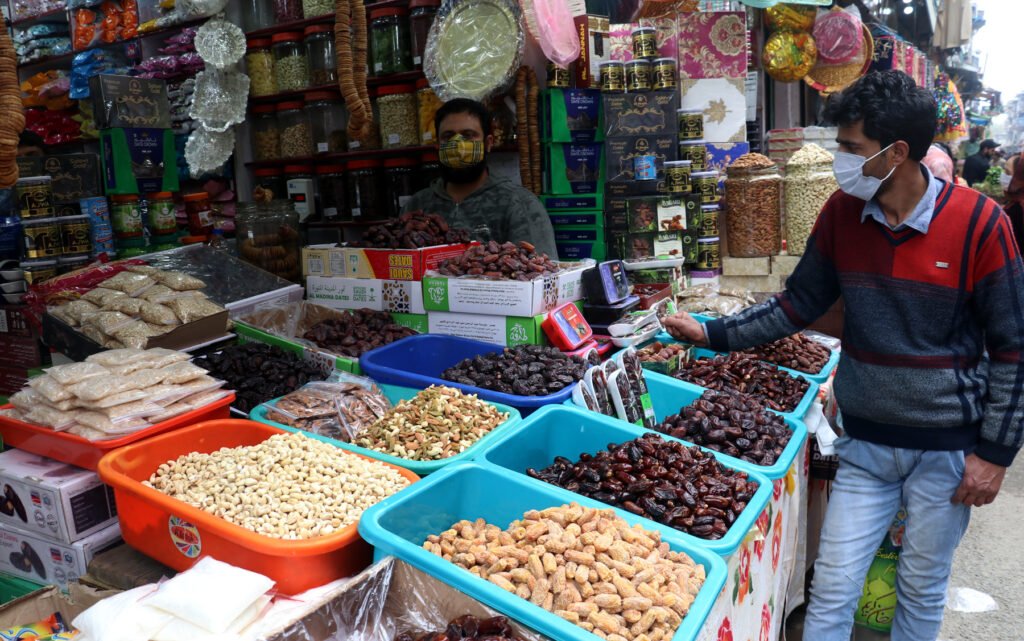
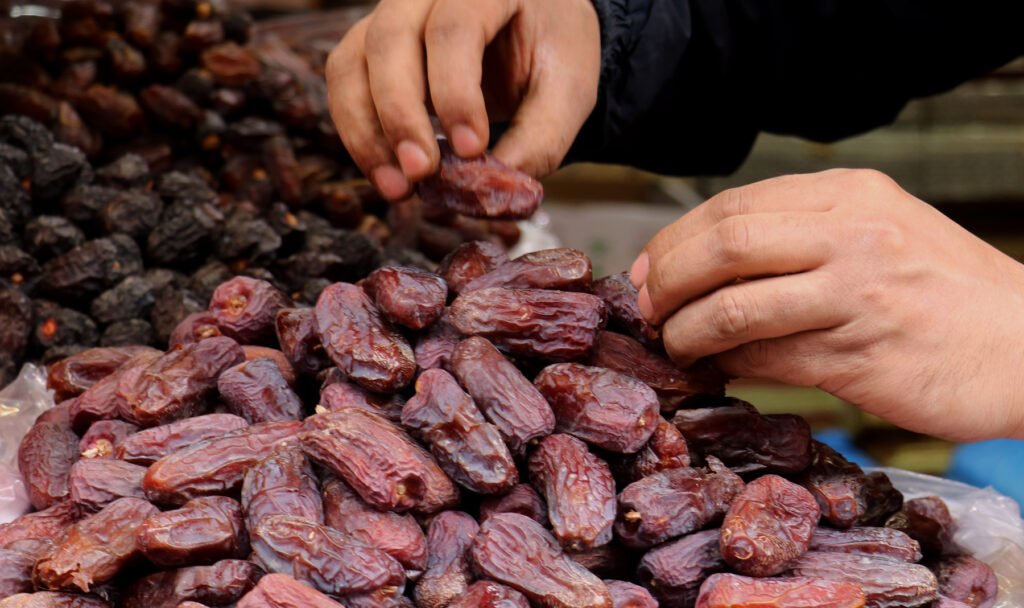
Khajoor: Dates form a part of culture in Islamic world. Their consumption during the month is all times high in the valley, as people prefer to break their day long fast with this cherished food of the Prophet Muhammad(PBUH).

“As our beloved Prophet liked to break his fast with dates, it becomes a preferred choice of the faithful to follow the same,” says Haji Ghulam Mohammad from Pattan area in north Kashmir, while referring to Sunnah of breaking the fast with dates.

“The product is in good demand during these days. We get additional consignments of this dry fruit in advance for this month from whole sale dealers,” says Mushtaq Ahmad from famous Nowhatta market in Shehr e Khaas area of Srinagar while displaying a large number of date varieties on a push cart kiosk in the Holy month.

Categories
KASHMIR

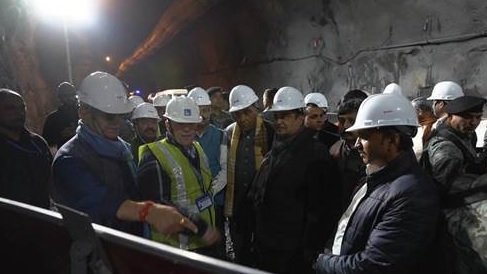
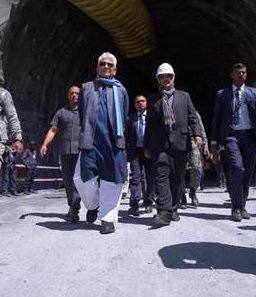
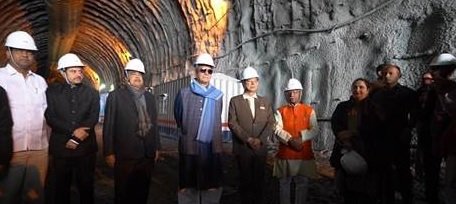
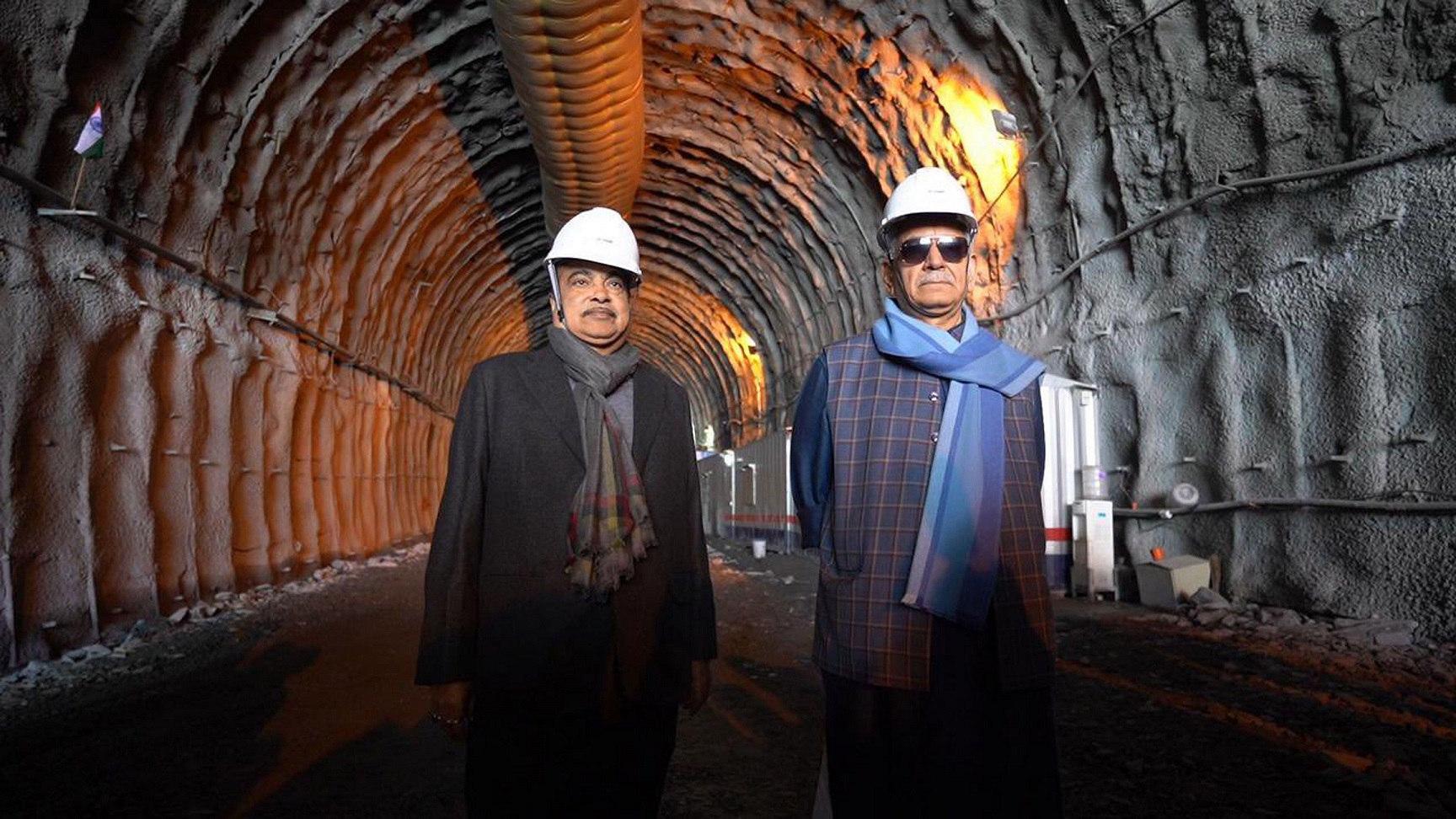
Shri Nitin Gadkari inspects Zojila Tunnel, Asia’s longest tunnel to establish all weather connectivity for Ladakh with Lieutenant Governor of Jammu and Kashmir Shri Manoj Sinha

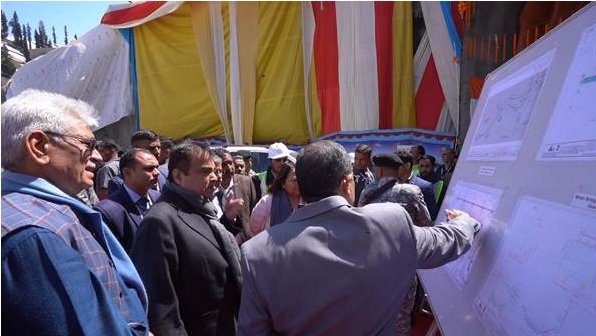
SONAMARG, APRIL 10: Union Minister for Road Transport and Highways Shri Nitin Gadkari today inspected Zojila Tunnel ,Asia’s longest tunnel to establish all weather connectivity for Ladakh and an important project implemented in Jammu and Kashmir with the Lieutenant Governor of Jammu and Kashmir Shri Manoj Sinha and members of Parliament of Parliamentary Consultative Committee on Road Transport and Highways.

19 tunnels are being constructed in Jammu and Kashmir at a cost of Rs  25000 crore. Under this, the construction of 13.14 km long tunnel and approach road at a cost of Rs 6800 crore is in progress in Zojila. It is a 7.57 m high horseshoe-shaped single-tube, 2-lane tunnel, which will pass under the Zojila Pass in the Himalayas between Ganderbal in Kashmir and Drass town in Kargil district of Ladakh. The project includes a Smart Tunnel (SCADA) system, which has been constructed using the New Austrian Tunneling Method. It is equipped with facilities like CCTV, radio control, uninterrupted power supply, ventilation. The use of modern technology in this project has saved the Government of India more than 5000 crore rupees.

Under the Zojila Tunnel project, the main Zojila tunnel of 13,153 meters with 4 culverts of total length of 810 meters, 4 Nilgrar tunnels of total length of 4,821 meters, 8 cut and covers of total length of 2,350 meters and three 500 meters, 391 meters and 220 meters of  vertical ventilation shaft are proposed. So far 28% work of Zojila Tunnel has been completed.

With the construction of this tunnel, there will be all-weather connectivity for Ladakh. Curently the average travel time to cross the Zojila Pass sometimes takes three hours, after the completion of this tunnel the travel time will come down to 20 minutes. The reduction in travel time will ultimately result in fuel savings.

The terrain near Zojila Pass is extremely inhospitable, with many fatal accidents taking place here every year. After the completion of Zojila Tunnel, the chances of accidents will be zero. This tunnel will provide year-round connectivity between the Kashmir Valley and Ladakh, which will be extremely important for the development of Ladakh, promotion of tourism, free movement of local goods and movement of Indian armed forces in case of emergency.

Categories
KASHMIR

Shri Nitin Gadkari inspects Z-Morh Tunnel with Lieutenant Governor of Jammu and Kashmir Shri Manoj Sinha

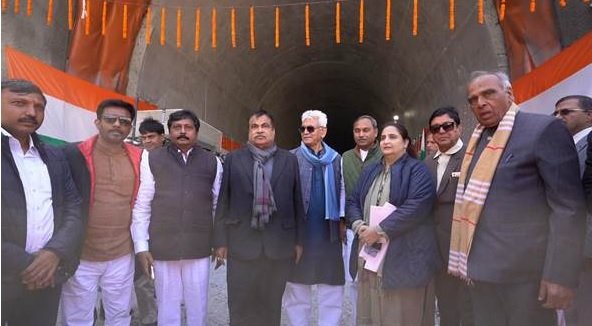
GANDERBAL, APRIL 10: Union Minister for Road Transport and Highways Shri Nitin Gadkari in the presence of Lieutenant Governor of Jammu and Kashmir Shri Manoj Sinha and Members of Parliamentary Consultative Committee on Road Transport and Highways inspected the Geo-strategically important Z-Morh Tunnel on Srinagar-Leh Highway (NH-1) today.

19 tunnels are being constructed in Jammu and Kashmir at a cost of Rs 25 thousand crore. Under this, construction work of 6.5 km length Z-morh tunnel and approach road is in progress at a cost of Rs 2680 crore. This 2-lane road tunnel is being built under the mountain glacier Thajiwas Glacier between Gagangir and Sonamarg in Ganderbal district of Kashmir.

Under the Z-Morh tunnel project, a main tunnel of total length of 10.8 meters with a modified horse shoe shape escape tunnel of total length of 7.5 meters, D-shaped ventilation tunnel of total length of 8.3 meters, 2 major culverts of total length of 110 meters and 270 meters, 1 small culvert of total length of 30 meters is proposed. Till now 75% work of Z-Morh Tunnel has been completed. A target has been set to dedicate this tunnel by December 2023.

Intelligent Traffic Management System has been installed in Z-Morh Tunnel which will make it easier to control traffic. Along with this, traffic will be facilitated through the dedicated escape tunnel. The Z-Morh tunnel will provide all-weather connectivity to the Sonamarg tourist town. The debris generated during the construction work of this project has been used for way-side facilities and development of  the area.

The area of Z-Morh tunnel is strategically important as its construction will ensure seamless connectivity between Srinagar and Kargil and there will also be considerable reduction in travel time between Srinagar and Leh. This tunnel will promote social and economic development in the entire region. Tourism in Sonamarg will be promoted including activities like whitewater rafting on Thajiwas Glacier and Sindh River.

Categories
KASHMIR

1.5 million tulips bloom colorful flowers greet visitors

NASIR YOUSUFI

SRINAGAR: On a sunny morning, a middle aged man leaves for work on his aged bicycle. With his lunch box swinging from a side of the handle, he paddles through the lanes and by lanes on Srinagar outskirts. After paddling  six kilometer distance from his home, he halts his ride only to begin his day overwhelmingly tending  to vast stretch of garden filled with tulip bulbs.

Shabir Ahmad, a 48 year old gardener is not alone, he is soon joined by a number of co-workers in their routine endeavor. Every morning a troupe of workers take to the vast fields in a picturesque garden on the foothills of famed Zabarwan hills growing lakhs of bulbs which finally  grooms into world’s one of the largest  tulip show in  Asia’s largest tulip garden at Srinagar. Through out the  year these workers work in tandem to make the show a real success.

“I have been working in this garden for last eight years. Round the year,  we work hard to grow such a large number of bulbs in this garden. Interestingly all  our labour seems to pay off as the garden  witnesses  a majestic tulip bloom by the end of March ”, says visibly upbeat Ahmad.

The grand tulip display on the banks of Dal lake calls for a lot of care, maintenance and hard work.  “Growing tulips need a lot of hard work. We sow these bulbs in the month of November. From December onwards, the plants need lot of care in the form of pruning and deweeding. Even we clean the snow from patches to provide the requisite care to growing bulbs. From February the plants are sprayed with fungicides periodically. The process continues during their bloom too”, says Shaiq Rasool, Deputy Director Floriculture Kashmir while describing the growth cycle of tulip Himalayan climate. After the blooming period is over, the bulbs are plucked out from the fields, cleaned, sorted, fumigated and then stored in cold storage till the next sowing period. The whole process needs round the clock work and all the credit goes to this team of dedicated workers , adds Rasool while referring to the staff and labourers posted in the garden.

 Formerly  known as Siraj Bagh, the picturesque stretch of 600  Kanals of land nestled among mountains on the banks of world famed Dal lake was transformed and developed into Indra Gandhi Memorial Tulip Garden in 2007. The sensational additions to the flora of the valley in the form of tulips, daffodils,hyacinth and ranunculus were brought from Europe mostly Holland.

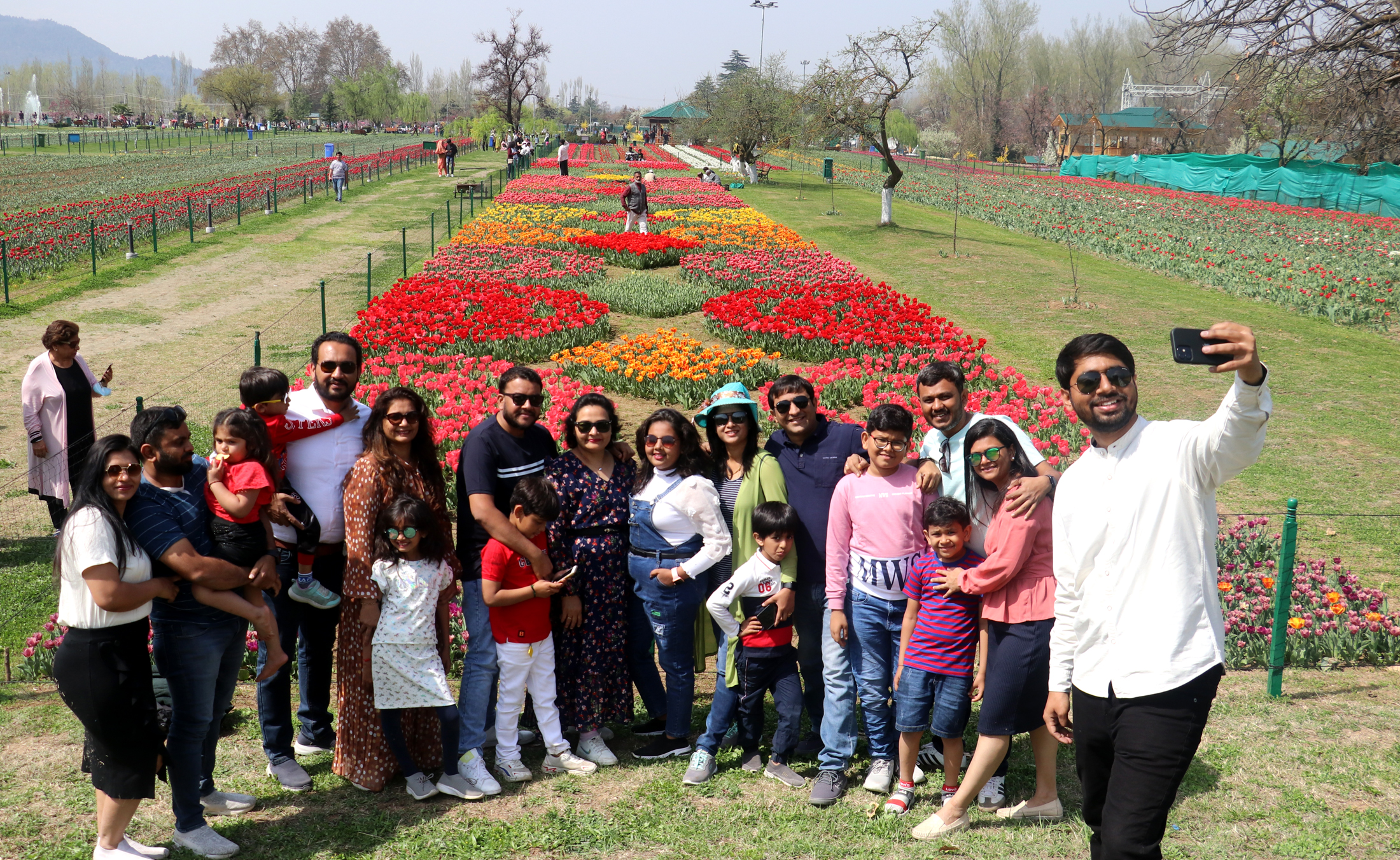
The garden  holds a record for growing the number of tulip bulbs. Comprising of scores of varieties of colored tulips, the soul refreshing garden is expected to bloom about fifteen lakh tulips this year.

 Dr Inam, In-charge tulip garden says this season, 1.6 million tulips comprising of 72 varieties are expected to bloom this season. He says the department has added four more varieties of tulips this year in the garden. 

 The mesmerizing view of thousands of blooming tulips sends any onlooker into gaiety, reminding one of the Words Worth’s ‘Thousands I saw in a glance … ’ couplet.  Made into terraces, the design of garden and pattern of tulip lawns give a unique outlook to the Asia’s largest tulip garden. The successful tulip show has preponed the tourism season in the region.

As the flowers bloom by the third week of March, every year the government throws open the garden for public for about a month. The natural display of vast number of tulips blooming simultaneously is an international fame now. Tourists from the country as wel as outside India  have started to visit the valley to have a glimpse of tens of lakhs of tulips at a single place in the valley.

“I have come to the valley for third time now. Tulips of different colours blooming over such a vast area of land is an absolute beauty. I have been totally mesmerized by the charming spell of this garden. It seems that the Netherlands has come to Kashmir!”, exclaimed a Rohini, a software professional  who has come to visit the garden for the first time with her husband from Mumbai. The tourist couple said that the people should come and visit this garden at least once in the life.

Tulip garden has become a centre of attraction in the spring season in Kashmir. In addition to drawing thousands of tourists from outside UT, the place is a popular destination among the local picnickers too.

 Traditionally valley used to witness the tourist footfall by mid April , But now the tulip garden has added more days to tourism season here, says Dr Ishfaq Ahmad, teaching economics in the university of Kashmir.

From school children , peer groups, families to foreign tourists, as the visitors enjoy the natures bliss  on the Zabarwan foothills, the workers like Ahmad cherish the moments watching the smile and smell in the air.

Categories
KASHMIR

Leech therapy: Traditional ‘detox’ using worms

NASIR YOUSUFI

Srinagar: 21st March is known for its cultural and traditional significance throughout the world. Apart from being observed as a world plantation day and Novruz, In Kashmir the day is celebrated in a unique way.As the Shia community in particular observe the occasion with religious fervor. There is a sizable portion of the people who mark the day as a leech therapy day in the valley.on the occasion people in droves can be seen bee lining the therapists practicing leech therapy in different parts of the valley.

People standing in que waiting for their turn to go through the procedure is a common sight at many places in the valley. At Dargah Hazratbal, scores of people throng to the Practioners to get the therapy.

“ Once during my school days, my mother had taken me to the therapists at Hazratbal, to cure my acnes. Now it is for the second time , I intend to vist the spot to go through the procedure again, almost 30 year later ”, says Mohammad Shakir from Nishat Srinagar, who wants to get his foot sore cured from the leech therapy on Novruz.

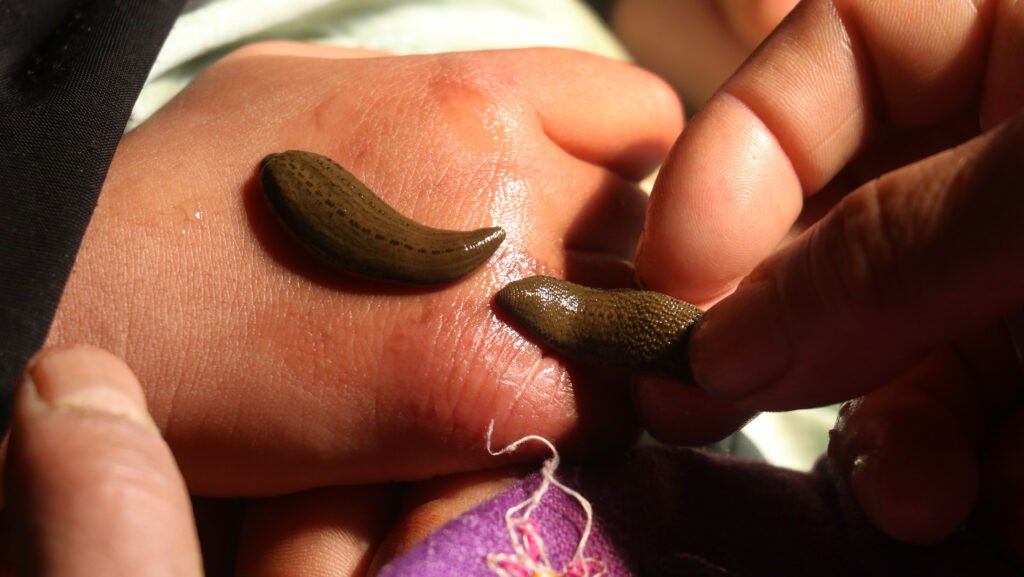
Leeches have been used in medicine for over 2,500 years. They were more popular in earlier times because it was widely thought that most diseases were caused by an excess of blood. The leeches were used medicinally but only for the bloodletting. As recently as the 19th century, leeches were used to treat everything from tonsillitis to hemorrhoids . Believed to suck out impure blood only, they are traditionally used to  cure frost bites, acne, hypertension, skin pigmentation, gout and blood clots. Widely used in medicine for drawing of blood from swollen area and also to reduce fluid pressures in damaged tissues of body. Medically, the leech saliva have been found to contain  Hirudin, an anticoagulant that helps in thinning the blood.

Though the practice of leech therapy is very old, the tradition is still a common practice in Kashmir , particulary on Novruz.  Many people in this part of the world believe that the best time to get the therapy is a Novruz.

According to Dr Parvez, a medical officer with Indian System of  Medicine , the  people taking to leech therapy particularly on Novruz is scientifically a coincidence, as the common belief of the people that the therapy is most effective on this particular day is not scientifically proven yet. But the trend in Kashmir plays an important role in the flourishing the age old practice , particularly in this period of the year. Traditionally, Leeches are used to cure the frostbite, skin diseases and other blood infections, as it is widely believed that the such suck out the impure blood from the body, explains Dr Parvez.

“I have also gone through the procedure during my youth. I often used to develop frostbites during winters in my teen age. My father used to take me for the leech therapy on Novruz. After few therapies, I was totally cured from the bites”, says Mushtaq Ahmad, a local businessman  from Bijbehara  as he returns after getting the therapy in Doru area in South Kashmir . Initially I thought it would be painful, but after I went through the procedure , I felt it quite comfortable and soothing, as the therapy purifies the blood from impurities and toxics, having a relieving effect on the body, believes Mushtaq.

Earlier people used to collect the indigenous variety of leeches from local water streams and rivulets , but now the people related with the trade get them from outside Kashmir. “ I have been practicing the therapy for many years now”, says Adil Ahmad, a young leech therapy practioner from Batapora area in the outskirts of Srinagar. Though, very less number of people do visit us for the purpose throughout the year, but there is a great rush of the patients seeking the therapy on the eve of Novruz and we prepare for the occasion days ahead. For this purpose,  We get  leeches  from the leech farms outside the valley. Transported in special earthen pots, these healers are exclusively used the day of Novruz.Leeches are most energetic during this period . They suck to their optimum during these days, says the practitioner , while deliberating upon the possible reason for most of the people taking to leech therapy specially on Novruz. 

While the  world  celebrates the occasion of 21st March in different contexts, people this Himalayan region of Kashmir also mark  the day as an occasion to heal the diseases particularly related with blood and cure their bodies from the skin and orthopedic discomforts .

Categories
KASHMIR

Night Bus service in Srinagar: Div Com Kashmir directs for immediate induction of buses on routes

Instructs identification of routes & framing of time schedule by today

Srinagar, March 23: In a first, Night Bus Service to start in Srinagar on different routes to facilitate general public.

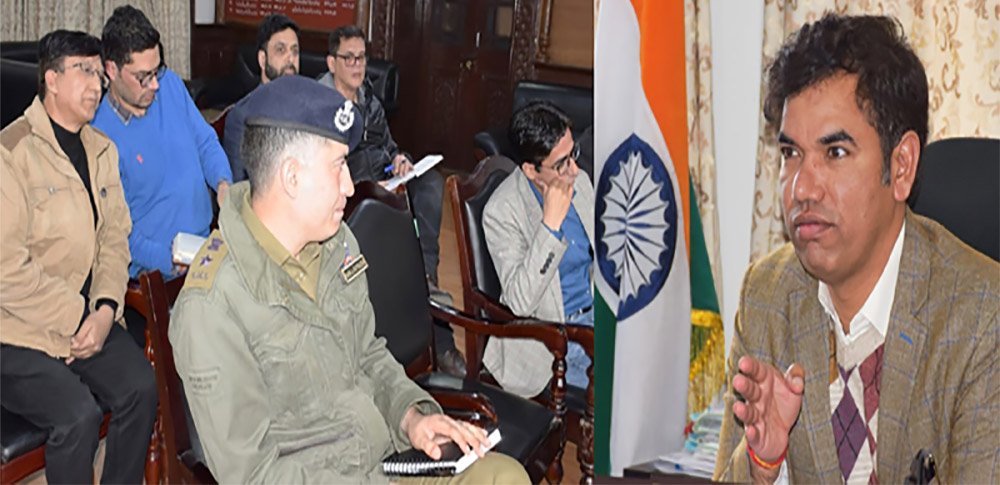
In this regard, the Divisional Commissioner Kashmir Vijay Kumar Bidhuri today convened a meeting of officers to chalk out plan for induction of SRTC Bus for night transport service.

The meeting was attended by Regional Transport Officer, Kashmir; Senior Superintendent of  Traffic Police, City; General Manager JKSRTC and other officers.

Addressing the officers, Div Com directed JK SRTC to spare more than fourteen busses which shall  run on different routes of Srinagar to facilitate general public after dusk when public transport usually  remains unavailable to commuters.

Div Com also directed RTO Kashmir to identify routes to ply SRTC buses  besides he instructed him to frame the time schedule simultaneously and submit same by today.

Also, Div Com instructed concerned Smart City officer to pace up the ongoing works  and remove debris and material from roads to avoid bottleneck obstacles.

During the meeting, it was informed that the bus service will be available  upto 10 PM in night.

Categories
KASHMIR

Lt Governor’s Navratri Greetings

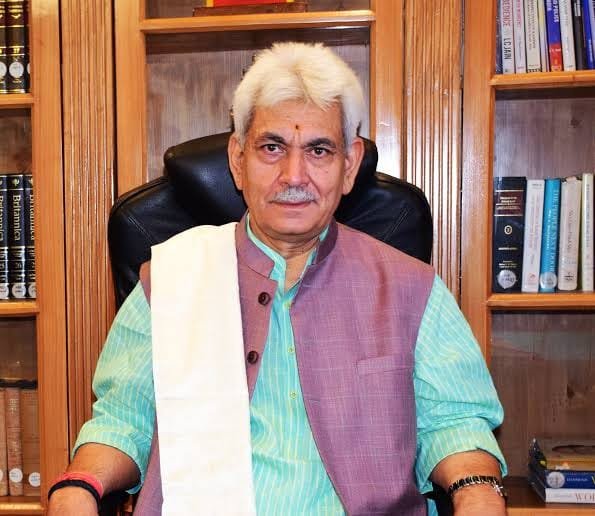
JAMMU, MARCH 21: Lieutenant Governor Shri Manoj Sinha has extended his greetings on the beginning of auspicious days of Navratri.

In a message, the Lt Governor said:  On the auspicious occasion of Navratri, I extend warm greetings to all the citizens, especially Kashmiri Pandit brothers & sisters, who are celebrating Navreh.

Navratri symbolises the spiritual joy and the triumph of good over evil. It is an occasion to pray for strength, courage, determination and to promote goodwill, brotherhood, peace, harmony and to remind ourselves of our rich spiritual heritage, said the Lt Governor.

“May Navratri festivities bring peace, happiness, prosperity and a brighter future to all,” the Lt Governor prayed.

Exit mobile version