SRINAGAR: Come winters and annually thousands of migratory birds visit Kashmir. But not all of them are lucky enough to enjoy the hospitality of their favorite habitat –the wetlands as many such winged visitors get poached.
Braving the freezing cold of January, 12-year-old Farheen stealthily opens the window of her room to experience the soul soothing aura of central Kashmir’s Hokersar wetland, which lies just a few yards away from her house. Hoots, chirps and echoes produced by flock of birds is never less than a soulful treat for her or any nature lover.
From Water Ballards, Coots, Pintails and Teals to Shovellers, Gadwals, Tufted Ducks, Graylag Geese, Wigeon, Pochards and others, every winter thousands of birds take a long flight to comparatively less colder Kashmir wetlands from colder habitats in Siberia, China, parts of Europe and even Australia.
This annual migration, which lasts for about six months from October till March in the valley is always a treat to witness for any nature enthusiast, in particular the bird lovers.
Pegged between five to seven lakh, these migratory birds land in Hokersar, Hygam, Prichal, Shallabugh, Wullar and Dal Lake, the wetlands considered as a feeding ground for these birds.
Feeding on naturally available food present in the form of insects, worms and fish, the hovering of these migratory birds making patterns in the skies attracts attention of many birders and nature enthusiasts.
“The birds are a prize to watch. Watching thousands of birds gliding up and landing down is always a momentous sight,” said Farheen.
However, after flying thousands of kilometers many of these winged guests only land in a deathtrap, as they get killed at the hands of poachers before their return.
Despite the government ban on poaching and strict vigil by the government forces, killing of the birds goes unabated in and around the wetlands of Kashmir. Ducks, Geese, Swans to Mullards, for poachers all are in the target list.
Few years back, the Sher-e-Kashmir University of Agricultural Sciences and Technology or SKUAST Kashmir, under an initiative to study the migration patterns of migratory birds in Kashmir wetlands, fitted PTT(Platform Transform Terminal), a satellite based tracking device on many birds to track their movement.
To every member’s astonishment in the research team, the results were shocking.
According to Dr Khursheed Ahmad, Principal Investigator, the track of many such birds fitted with PTT was lost within few weeks as the device either stopped to send signal or signal went stagnant.
“For a stagnant signal, one can assume that the bird has suffered a natural death but if it goes off altogether, there is every likelihood that the bird has been poached,” Dr Ahmad told Valley Observer. “Our team met with cases where poachers had damaged the devices after catching or killing the bird.”
Not only guns, people use traditional traps and other hunting techniques to catch the winged visitors.
Occasional bangs in late evenings and the early mornings in deeper belts of the paddy fields are allegedly a “normal” for the people living around Shallabugh and Rambergarh areas, the villages marking the boundary between the capital city of Srinagar and Baramulla in north Kashmir.
“Since these areas are close to Hokersar wetlands, many birds visit these paddy fields for food and presumably get killed by poachers,” says a resident of Rambergarh Srinagar.
Admitting the poaching of winged visitors outside the protected wetland areas, Sajad Ahmad, Range Officer, Wildlife says that most of the poaching takes place outside the protected areas of wetlands, as the birds fly towards paddy fields and other cropping lands for the easy availability of feed.
“It is during these flights outside the protected areas, they get easily killed, as the poachers find it very easy to shoot them outside protected areas,” added Ahmed.
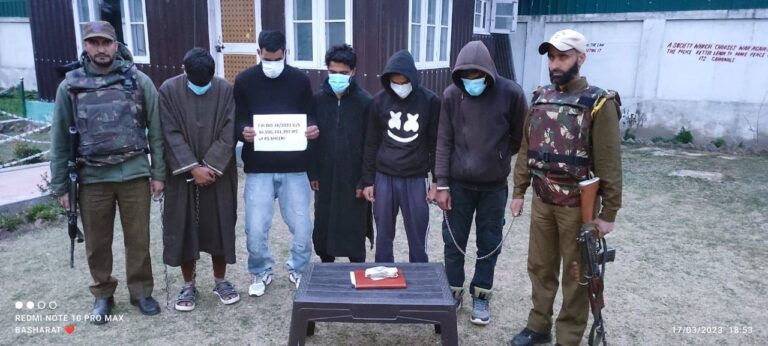
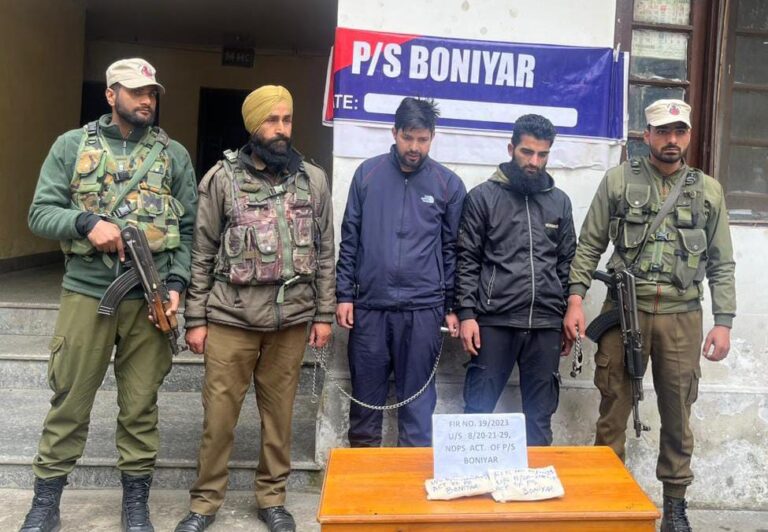
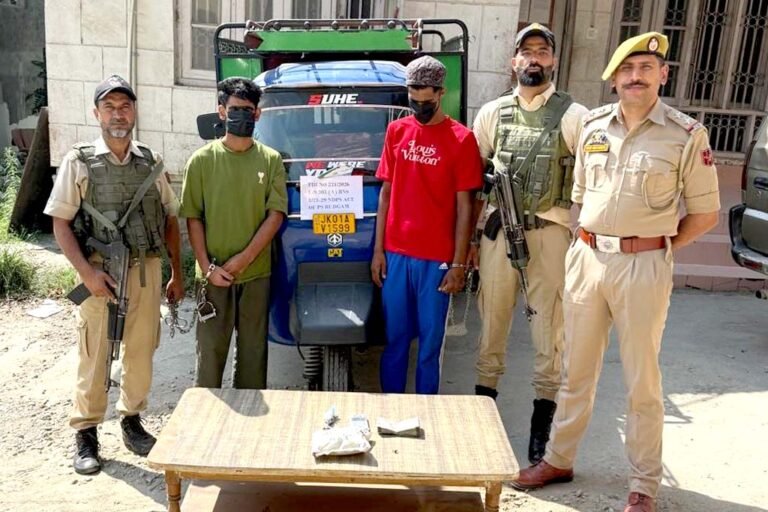
The Jammu and Kashmir Police are also keeping a strict vigil on the poachers. Some months ago, a person accused of poaching was arrested.
Poaching mainly takes place for adventure or money. It’s largely believed that the poached birds are secretly sold for around Rs 1,000 “per prey.”
Ironically, the place globally famous for hospitality –Kashmir isn’t that hospitable towards the winged visitors, who visit the Valley unmindful that their long flight could be the last!